Water softeners
The right answer for hardness, scale and cloudy glassware, which filtration does not address.
Learn moreFiltration and softening solve different problems. We test first, then recommend the equipment that fixes what you actually have, rather than selling you the largest system in the catalogue.
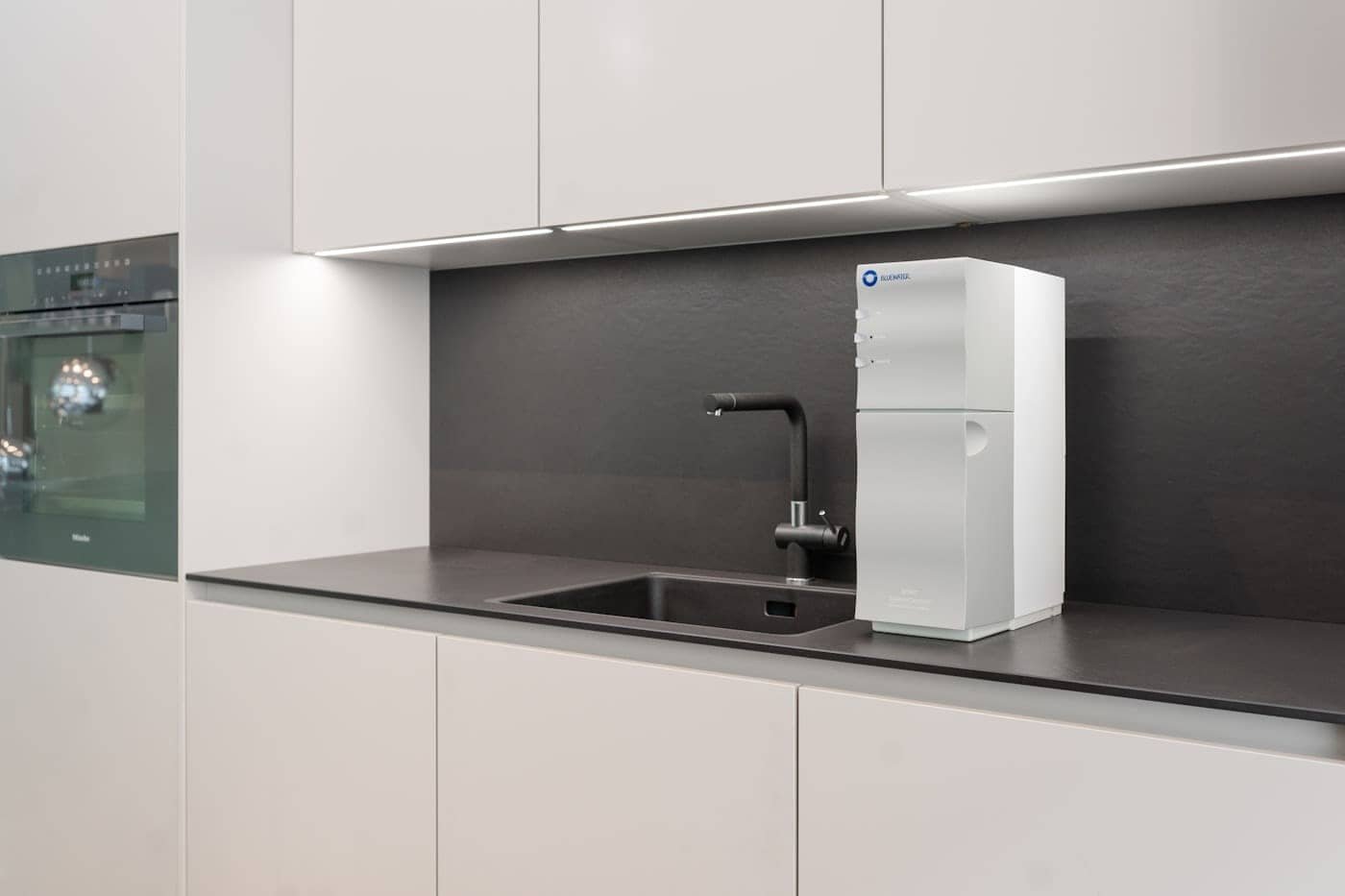
No, and this is the single most common misunderstanding we run into. A filter removes things from water: sediment, iron, chlorine taste, odour, and with reverse osmosis, dissolved contaminants such as nitrate. A softener removes hardness by exchanging calcium and magnesium for sodium or potassium.
They are different machines solving different problems. If your complaint is scale on the shower head and cloudy glassware, you need a softener. If your complaint is taste, smell, sediment or a specific contaminant, you need filtration. Plenty of Treasure Valley homes genuinely need both, but buying the wrong one solves nothing.
The answer depends entirely on whether you are on city water or a private well, and that split runs right through this service area.
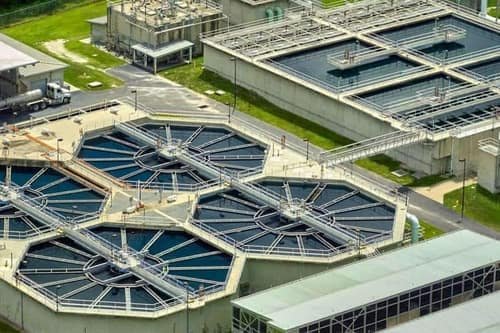
On city water, the supply is treated, tested and safe. Meridian draws its drinking water from roughly 25 municipal wells between 400 and 800 feet deep, tapping three separate aquifers, and runs it through advanced treatment facilities that strip naturally occurring iron and manganese before chlorination. What people notice is not safety but aesthetics: a chlorine taste or smell, and the mineral hardness that treatment does not remove. Iron and manganese are naturally present in the aquifer, which is precisely why the city built treatment facilities to take them out.
On a private well, you are your own water utility. Nobody tests it unless you do. The issues we see most often on Treasure Valley wells are sediment and grit, iron staining that turns fixtures orange, sulphur smell from hydrogen sulphide, hardness that can run well above city levels, and in parts of Canyon county, nitrate.
That last one is worth taking seriously. Southwest District Health has flagged areas of Canyon County where private wells test above the EPA’s 10 mg/L limit for nitrate, a legacy of decades of agricultural land use. Nitrate has no taste, no smell and no colour. The only way to know is a laboratory test, and it is the one contaminant where the recommended treatment is specific: reverse osmosis at the drinking tap, or distillation. Boiling water concentrates nitrate rather than removing it.
Same day and next day appointments are available across the valley.
Call (614) 756-0643Each of these points at something different, which is why the fix starts with identifying the cause rather than buying a system.
Book a licensed Meridian technician for this job.
Call (614) 756-0643Two different jobs. One treats every tap in the house, the other treats the water you drink and cook with.
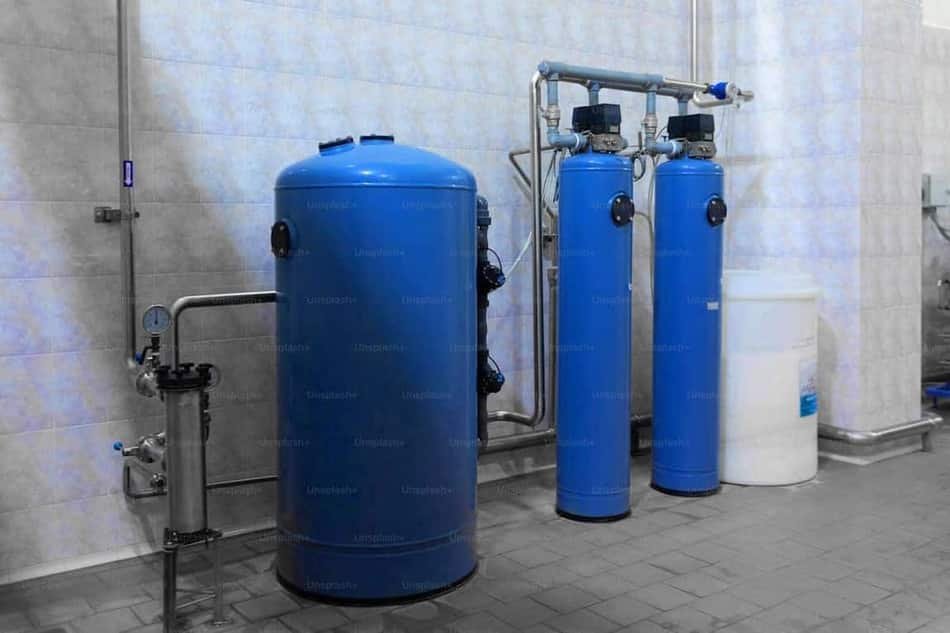
If a water test comes back clean but flow is still poor or discolored, aging galvanized supply lines rather than the source water may be the real culprit, which is a repiping question rather than a filtration one. Whole-house filtration is installed on the main line where water enters the house, so every fixture benefits. It is the right approach for sediment, iron, manganese, chlorine taste and smell. These are almost always built in stages: a sediment pre-filter to protect what follows, then carbon, then any specialist media the water test calls for.
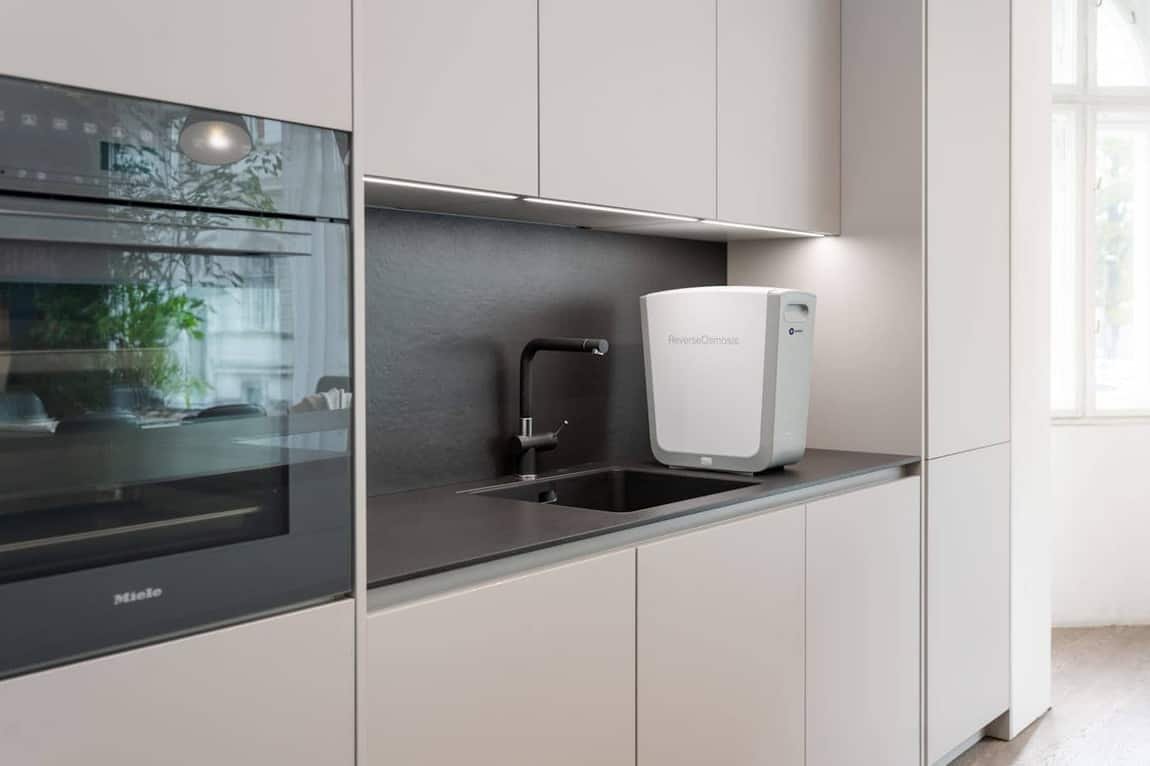
Point-of-use reverse osmosis is installed under a sink, usually the kitchen, with a dedicated tap. RO pushes water through a semi-permeable membrane and removes dissolved contaminants that a whole-house filter simply cannot catch, including nitrate. It is the correct answer for drinking water quality, and it is far more economical to treat the few gallons a day you actually drink than to run every toilet flush through a membrane.
For a home on a private well with a nitrate concern, the standard recommendation is exactly this combination: whole-house filtration for sediment and iron so the plumbing and fixtures are protected, plus reverse osmosis at the kitchen tap for what you drink and cook with.
Get this looked at before it turns into a bigger repair.
Call (614) 756-0643This table is the one worth screenshotting. Matching the equipment to the actual complaint saves a great deal of money.
| Your complaint | What causes it | What actually fixes it |
|---|---|---|
| Scale on fixtures, cloudy glassware, soap will not lather | Calcium and magnesium hardness | A water softener. Filters do not remove hardness |
| Chlorine taste or smell | Municipal disinfection residual | Carbon filtration, whole-house or point of use |
| Orange or rust staining | Dissolved iron, common on wells here | Iron-specific filtration media, sized to the measured concentration |
| Rotten egg smell | Hydrogen sulphide, or an anode rod reaction if hot side only | Oxidising filtration, or an anode rod change if it is the water heater |
| Grit and sand in aerators | Sediment from a well or a disturbed main | Sediment pre-filtration on the main line |
| Nitrate above the federal limit | Agricultural legacy in parts of Canyon county | Reverse osmosis or distillation. Boiling makes it worse, not better |
| Bad tasting drinking water generally | Combination of the above | Reverse osmosis at the kitchen tap |
Boiling water reduces some biological risks but concentrates nitrate and minerals, because the water leaves as steam and the contaminant stays behind. It is not a treatment for chemical contamination.
Request a visit and we will confirm your appointment window.
Call (614) 756-0643We would rather sell you the right small system than the wrong large one.
Taste, smell, staining, grit, or a specific test result you have already had done. Every symptom narrows the field.
For city supplies we start with the published water quality report. For private wells we recommend laboratory testing, particularly for nitrate.
You get a recommendation tied to what the water actually contains, with an explanation of what each stage does.
Whole-house units on the main line, reverse osmosis under the sink with its own tap, all fitted with serviceable isolation.
Filters only work if they get changed. We tell you the interval and can handle the changes for you.
Talk to a technician who works on Treasure Valley homes every day.
Call (614) 756-0643Meridian, Boise, Nampa and Caldwell residents on municipal supplies are drinking treated, monitored, regulated water. Meridian draws its drinking water from roughly 25 municipal wells between 400 and 800 feet deep, tapping three separate aquifers, and runs it through advanced treatment facilities that strip naturally occurring iron and manganese before chlorination. The reasons to filter city water here are comfort and taste rather than safety.
Boise blends surface water from the Boise River at Lucky Peak with groundwater from a network of wells, so hardness varies by neighborhood depending on which wells feed your pressure zone. That variability is why two neighbours in different pressure zones can have noticeably different water.
Outside the city limits the picture changes completely. Rural properties around Kuna, Star, Middleton and across Canyon county are frequently on private wells, and a private well is unregulated. Southwest District Health has flagged areas of Canyon County where private wells test above the EPA’s 10 mg/L limit for nitrate, a legacy of decades of agricultural land use.
If you are on a well and you have never had a laboratory test, that is the first step, ahead of buying any equipment at all. Nitrate in particular gives no warning through taste, smell or appearance.

Have a licensed tech diagnose it and quote the repair up front.
Call (614) 756-0643Filtration spans a wide range because the equipment does. An under-sink drinking system and a multi-stage whole-house well treatment train are different orders of investment.
Schedule service anywhere from Star to Mountain Home.
Call (614) 756-0643A filter that has stopped removing anything looks identical to one that is working, which is the trap. Water still flows, it still looks clear, and there is no obvious signal that a cartridge is spent. That is why the change schedule matters more than any other part of ownership.
Ask for an upfront price before any work starts.
Call (614) 756-0643A recommendation that arrives before a water test is a sales pitch, not a diagnosis. The equipment should be chosen after seeing either your municipal water quality report or, on a well, laboratory results, and the person recommending it should be able to explain exactly which finding each stage of the system addresses.
Same day and next day appointments are available across the valley.
Call (614) 756-0643| What you notice | Likely cause | Treatment stage |
|---|---|---|
| Chlorine smell | Municipal disinfection residual | Carbon filtration |
| Orange staining | Dissolved iron, common on private wells here | Iron-specific media, sized to the test result |
| Grit in aerators | Sediment, common on wells and after main breaks | Sediment pre-filtration |
| Rotten egg smell | Hydrogen sulphide, or an anode reaction if hot side only | Oxidising filtration, or a water heater anode check |
| Elevated nitrate on a lab test | Agricultural legacy in parts of Canyon county | Reverse osmosis or distillation, never boiling |
A test result is what should decide which of these applies. Guessing from symptoms alone gets close but a laboratory or municipal report removes the guesswork entirely.
Book a licensed Meridian technician for this job.
Call (614) 756-0643A single under-sink reverse osmosis system for drinking water is a modest, contained job with a fixed scope: the unit, a dedicated faucet, and a drain connection. A whole-house well treatment train addressing sediment, iron and possibly sulphur is a different order of project, with multiple stages of equipment, larger footprints and, for systems that backwash, a nearby drain requirement.
Flow rate sizing also affects cost directly. A whole-house system sized to your household’s actual peak demand, so pressure does not drop when several fixtures run at once, sometimes calls for larger housings or additional stages than a minimum-spec system would use, and that capacity costs more up front while avoiding a frustrating and common complaint later.
Ongoing costs deserve equal attention to the installation price. A system with cheap, frequently changed cartridges can cost more over several years than a slightly pricier system built around a longer-life stage, which is exactly the kind of comparison we walk through before you commit to equipment.
Get this looked at before it turns into a bigger repair.
Call (614) 756-0643They do different jobs. A softener removes calcium and magnesium hardness, which is what causes scale on fixtures, cloudy glassware and soap that will not lather. A filter removes particles, chlorine taste, iron and other contaminants. Meridian’s city water is hard, so if scale is your complaint you need a softener. If your complaint is taste or smell, you need filtration. Many homes here benefit from both, but they are not interchangeable.
Meridian’s municipal water is treated, monitored and meets drinking water standards. The city draws from deep groundwater wells and runs it through treatment facilities that remove naturally occurring iron and manganese before chlorination. Most filtration on city water here is about taste, smell and mineral content rather than safety. Private wells are a completely different situation, because nobody tests them unless the owner does.
Laboratory testing is the only way. Nitrate has no taste, no colour and no smell, so there is no symptom to notice. Southwest District Health has flagged areas of Canyon county where private wells test above the federal limit of 10 mg/L, a legacy of long-term agricultural land use. If you are on a private well anywhere in that area, an annual test is a reasonable habit. If nitrate is present, reverse osmosis at the drinking tap is the standard treatment.
No, and it makes the situation worse. Boiling drives off water as steam and leaves the nitrate behind in a smaller volume, so the concentration goes up rather than down. The same is true of most dissolved minerals. Boiling addresses some biological contamination but is not a treatment for chemical contamination. Reverse osmosis or distillation are the appropriate treatments for nitrate.
It depends on the stage and on how dirty your water is. Sediment pre-filters on a well with grit may need changing every few months, while a carbon block on clean city water might run a year. Reverse osmosis membranes typically last two to five years with the pre-filters changed on schedule. A filter that is not changed stops helping and eventually starts restricting flow, so the interval matters.
Dissolved iron, which is common in this aquifer and shows up most on private wells. It enters the water clear, then oxidises on contact with air and leaves the orange staining you see in sinks, tubs and toilet tanks. A standard sediment cartridge will not fix it, because the iron is dissolved rather than suspended. It needs iron-specific filtration media sized to the actual concentration in your water, which is why testing comes first.
It will improve taste and smell if chlorine or sediment is the issue, and it protects your plumbing and appliances. What it will not do is remove dissolved contaminants such as nitrate, which need reverse osmosis. The usual recommendation for a home with both concerns is whole-house filtration for the plumbing and fixtures, plus a reverse osmosis system at the kitchen tap for drinking and cooking.
Older RO systems reject several gallons for every gallon produced, but modern residential units are considerably more efficient than that. It is still not a zero-waste process, which is one reason RO is installed at a single point of use rather than for the whole house.
A simple point-of-use pitcher or faucet filter, yes. A whole-house system tied into the main line, or an under-sink reverse osmosis unit with its own drain connection and air gap faucet, is where professional installation is worth it, both for correct plumbing and to avoid voiding equipment warranties.
A well-matched system, particularly reverse osmosis, produces water that compares directly to bottled water in taste, and it does so at a fraction of the ongoing cost with none of the plastic waste. The result depends entirely on matching the equipment to what your specific water actually contains.
A sediment filter is a physical screen that catches particles like sand, silt and rust flakes. A carbon filter works chemically, adsorbing chlorine, many taste and odor compounds, and some organic contaminants. Whole-house systems typically use sediment filtration first to protect the carbon stage from clogging prematurely.
Standard carbon filtration does not remove fluoride effectively. Reverse osmosis does remove it, along with a wide range of other dissolved substances, which is one more reason RO is the recommendation when someone specifically wants to control what remains in their drinking water beyond taste and sediment.
Generally not for a filtration system alone, since it does not typically alter the fixed plumbing layout, though it should still be installed with proper isolation valves and, for backwashing systems, a code-compliant drain connection. If the installation is combined with other plumbing changes, that broader scope may require a permit.
Beyond a standard sediment and bacteria test, homes in parts of Canyon county specifically warrant nitrate testing given documented agricultural legacy issues in the area. If your well is near farmland, has never been tested, or you notice any of the symptoms on this page, a comprehensive laboratory panel is worth the modest cost.
A straightforward main-line system with an accessible install point is typically completed in a few hours. Systems requiring a new drain connection for backwashing, or multiple treatment stages for a well with several issues to address, take longer to plumb correctly.
Some equipment is rated for outdoor use, but Treasure Valley winters make an indoor or insulated installation the more practical choice for most filtration equipment, particularly anything containing water that could freeze and crack a housing during a hard freeze.
Book a licensed Meridian technician for this job.
Call (614) 756-0643We start with what the testing actually shows, then recommend equipment that matches it. City water in Meridian, Boise and Nampa, or private wells around Kuna, Star and Canyon county.