Drain cleaning
The first response when a main line blocks, and often how a sewer problem is first found.
Learn moreThe sewer lateral from your house to the main is yours to maintain. When it fails, the question is whether it can be repaired, lined, burst or has to be dug.
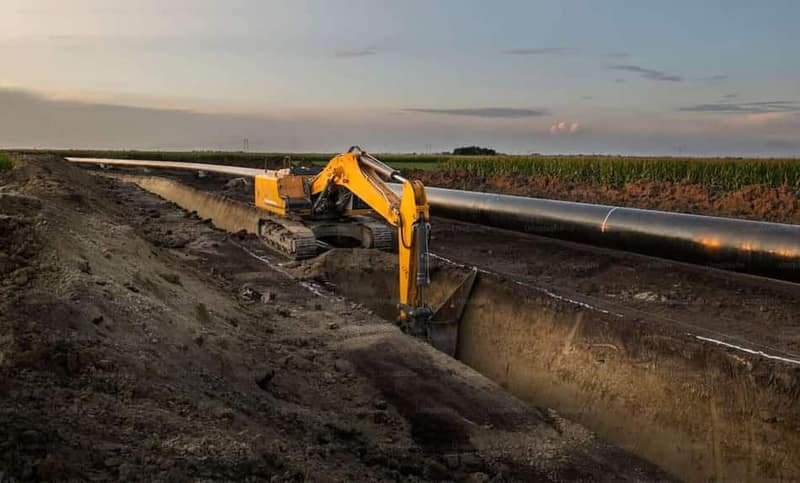
In almost every jurisdiction in this valley, the lateral from your house to the connection at the main is the property owner’s responsibility, and the main itself belongs to the city or sewer district. That means the pipe running under your front garden is yours, including the part beneath the pavement in many cases.
This surprises homeowners regularly, usually at the worst moment. The practical takeaway is that a sewer lateral is a component of your house, and like any component it has a lifespan that depends on its material and what has been growing near it. Exact boundaries vary by jurisdiction, so confirm with your city or sewer district.
Four failure modes account for nearly everything we find, and a camera distinguishes between them in minutes.
Root intrusion is the most common in older neighbourhoods. Roots seek moisture, and a jointed clay or cast iron lateral with a slightly weeping joint is exactly what they are looking for. A fine root enters, then thickens inside the pipe where conditions are ideal, and eventually forms a mass that catches everything passing through.
Bellies and sags happen when a section of pipe settles below the intended grade, usually from poor bedding at installation or from ground movement afterwards. Waste no longer flows continuously through that section; it pools, solids settle out, and the line blocks repeatedly at the same point no matter how often it is cleared.
Cracks, breaks and offsets come from ground movement, heavy loads above the line, or simply age. An offset joint, where two sections have shifted out of alignment, creates a lip that catches solids.
Material failure is age catching up with the pipe itself. Cast iron corrodes from the inside, particularly along the bottom where waste sits, until the lower portion of the pipe wall disappears entirely. Clay becomes brittle. Orangeburg, a bituminised fibre pipe used in some mid-century construction, deforms and collapses.
Have a licensed tech diagnose it and quote the repair up front.
Call (614) 756-0643Sewer problems announce themselves gradually. Recognising the pattern early keeps the options open.
Schedule service anywhere from Star to Mountain Home.
Call (614) 756-0643Sewer work is expensive enough that guessing is not acceptable. Every job starts with knowing exactly what and where the problem is.
Camera inspection shows the pipe material, its condition, the nature of the defect and, critically, how far along the line it sits. Locating uses a transmitter in the camera head and a receiver above ground to mark the exact position and depth. Between them, you know what needs fixing and where, which is the difference between a targeted excavation and digging up a garden hoping to find something.
Spot repair is the answer when the line is generally sound and one section has failed. A single excavation, that section replaced, backfilled and reinstated.
Trenchless lining, or cured in place pipe, pulls a resin-saturated liner through the existing pipe and cures it in place, forming a new jointless pipe inside the old one. It needs access at each end but no trench along the run, so driveways, mature landscaping and pavement stay intact. It suits pipe that is cracked or root-infiltrated but still structurally continuous.
Pipe bursting pulls a bursting head through the old pipe, fracturing it outward while drawing new pipe in behind. It works where the old pipe is too far gone to line, and it can increase capacity. It needs access pits at both ends.
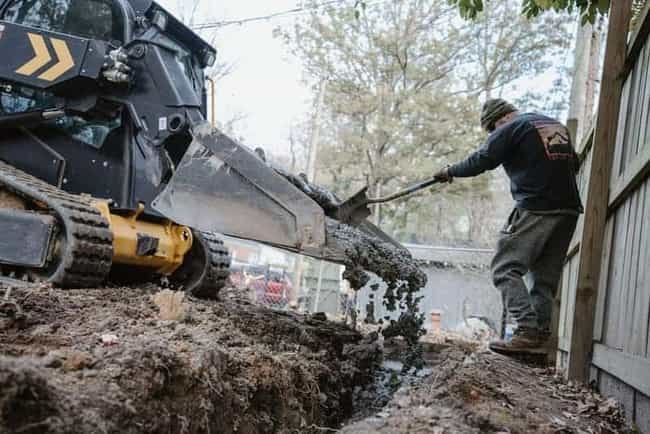
Traditional excavation remains the right answer in some situations, and we will say so. A line with a significant belly needs the grade corrected, and no trenchless method fixes grade. A collapsed line with no continuous path cannot be lined or burst.
Ask for an upfront price before any work starts.
Call (614) 756-0643Three methods, three sets of conditions. The camera decides which apply.
| Method | How it works | When it is the right choice | Limitations |
|---|---|---|---|
| Spot repair | Excavate at one point, replace the failed section | The line is otherwise sound and the defect is localised | Only sensible if the rest of the pipe genuinely has life left |
| Trenchless lining (CIPP) | A resin liner is drawn through and cured, forming a new pipe inside the old | Cracks, root intrusion and joint leaks in a pipe that is still continuous | Slightly reduces diameter. Cannot fix a belly or a collapse |
| Pipe bursting | A head fractures the old pipe outward while pulling new pipe in behind | The old pipe is too degraded to line. Can increase diameter | Needs access pits at both ends. Not suitable near certain utilities |
| Open excavation | Trench along the line, remove and replace the pipe | Bellies and grade problems, collapses, and where alignment must change | The most disruptive to landscaping, driveways and paving |
Trenchless is often the better answer once you count the full cost, including restoring a driveway, mature landscaping or a paved area. But it is not universally better. Anyone offering trenchless for every situation without looking inside the pipe first is selling a method rather than solving a problem.
Same day and next day appointments are available across the valley.
Call (614) 756-0643The diagnostic stage is short, and it determines everything that follows.
Multiple fixtures backing up, repeated blockages, smells or wet ground. Also tell us how old the house is, because that predicts the pipe material.
We see the defect, identify the material and mark its exact position and depth above ground.
You see the footage and get the realistic options with prices, including the honest trade-offs of each method.
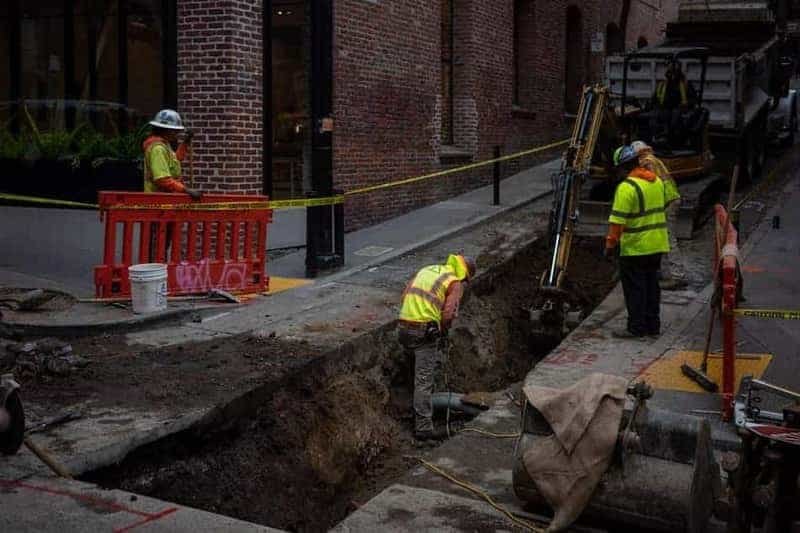
Excavation requires utility locates before any digging, and sewer work is permitted in the jurisdictions we serve.
The work is carried out, inspected where required, and the line is camera checked again afterwards.

Book a licensed Meridian technician for this job.
Call (614) 756-0643The age of your house is the strongest predictor of what your lateral is made of and how likely it is to be a problem.
Nampa’s median home construction year sits right around 2000, but roughly one in ten houses there predates 1950, which puts two very different plumbing eras inside the same city limits. Older Boise, Nampa and Caldwell neighbourhoods contain genuinely old laterals: clay with jointed sections, cast iron, and in some mid-century construction, Orangeburg. Those materials, combined with the mature trees those established neighbourhoods are valued for, are the classic root intrusion scenario. It is why we camera rather than guess in those areas.
Meridian has grown more than 260 percent from its year-2000 population and is now Idaho’s second largest city, with about 60 percent of its housing units built after 2000. Most Meridian, Eagle, Star and Kuna homes have modern PVC laterals, which do not corrode and have far fewer joints. Failures there are different in character: bedding and grade problems from fast construction, damage from later landscaping or utility work, and the occasional belly where ground has settled.
There is one factor that cuts across both. This valley’s irrigation raises the shallow water table seasonally, and a lateral with a crack in it will take in groundwater during irrigation season. That is why some homes see their sewer problems worsen noticeably from spring onward, and it is a useful diagnostic clue. The same seasonal groundwater is also what drives most sump pump calls in this valley, so a wet crawl space and a struggling sewer line in the same season are often connected to the same cause rather than two unrelated problems.
Source: Meridian housing and growth data

Get this looked at before it turns into a bigger repair.
Call (614) 756-0643Sewer work is one of the larger plumbing expenses a homeowner faces, and the range is wide. We quote after the camera inspection because quoting before would be a number pulled from nowhere.
Request a visit and we will confirm your appointment window.
Call (614) 756-0643A trustworthy sewer estimate is built on camera footage you have actually seen, not a verbal description of what was probably found. Ask to view the inspection recording, ask where exactly the locate marked the defect, and ask why the recommended method was chosen over the alternatives. A contractor who cannot answer why trenchless was chosen over excavation, or vice versa, for your specific defect is guessing.
Talk to a technician who works on Treasure Valley homes every day.
Call (614) 756-0643Have a licensed tech diagnose it and quote the repair up front.
Call (614) 756-0643| What you notice | Likely cause | Typical repair path |
|---|---|---|
| Multiple fixtures backing up together | Main line blockage or defect | Camera inspection to locate the cause |
| Recurs every few months despite clearing | Root intrusion at a joint, or a belly holding water | Jetting or root cutting, then repair of the entry point or grade |
| Lush green patch or soggy ground in the yard | Wastewater escaping from a break | Locate, then spot repair or lining depending on extent |
| Worse after heavy irrigation season | Groundwater entering a cracked lateral | Camera inspection, repair sized to the defect found |
Schedule service anywhere from Star to Mountain Home.
Call (614) 756-0643Depth is the factor that most surprises homeowners pricing sewer work for the first time. A lateral six feet deep costs meaningfully less to excavate than one running twelve feet down, because excavation cost rises sharply, not linearly, with depth once shoring and safety requirements come into play.
What sits above the line matters just as much. A repair beneath open lawn is comparatively simple to reinstate. The same repair beneath a driveway, a patio, mature landscaping or public paving involves removing and properly restoring that surface afterward, which is frequently why trenchless methods end up being the better value once total cost, including restoration, is counted rather than just the pipe work itself.
Ask for an upfront price before any work starts.
Call (614) 756-0643In almost every jurisdiction in this valley, the lateral from your house to the connection at the city main is the property owner’s responsibility, including in many cases the portion running beneath the pavement. The main itself belongs to the city or sewer district. This catches homeowners out regularly, usually when a failure has already happened. Exact boundaries vary, so it is worth confirming with your specific city or sewer district, but the general rule is that the pipe under your front garden is yours.
A camera inspection is the only way to know for certain, and it is worth doing once a line has blocked more than once. A one-off blockage from wipes or grease is a cleaning job. A line that blocks two or three times a year has a structural cause, and the camera tells you whether that is roots at a joint, a belly holding standing water, a crack or an offset. Repeat clearing without ever looking inside means paying repeatedly to treat a symptom.
Trenchless covers two methods. Lining pulls a resin-saturated liner through the existing pipe and cures it in place, creating a new jointless pipe inside the old one. Pipe bursting fractures the old pipe outward while pulling new pipe in behind. Both avoid trenching along the run, so driveways, mature landscaping and paving survive. They are often better value once you count restoration costs, but they are not universally applicable: neither method can correct a belly, because that is a grade problem, and a fully collapsed line cannot be lined or burst.
The roots can be cut out, which restores flow immediately, but they will return as long as the entry point exists. Roots are drawn to the moisture escaping through the defect, so the durable fix is closing that path, either by lining the pipe, spot repairing the affected section, or replacing the line. Cutting roots is a legitimate maintenance approach if you accept it as recurring maintenance rather than a permanent fix.
A spot repair on a shallow line can be a single day. Trenchless lining or bursting on a typical residential lateral is often one to two days. A full open excavation replacement takes longer, and depth, what is above the line and access for equipment all affect it. Utility locates have to be completed before any digging starts, which adds lead time to the schedule.
In an older neighbourhood, yes, and it is one of the better value inspections available. Standard home inspections do not include a sewer camera survey, and the lateral is both invisible and entirely the buyer’s responsibility once you close. Discovering a failed lateral afterwards is an expensive surprise. In neighbourhoods with mature trees and pre-1970 housing, the odds of finding something meaningful are far from negligible.
This valley is heavily irrigated, and the shallow water table rises once the canals and laterals charge for the growing season. If your sewer lateral has a crack or an open joint, groundwater enters the pipe during that period and consumes capacity that should be carrying waste. The line copes in winter and struggles in summer. The seasonal pattern is itself a useful diagnostic clue, and it points strongly toward a defect that a camera will find.
It varies more than almost any other plumbing job, driven by the repair method, the depth and length of the line, and what sits above it. A shallow spot repair under lawn is modest. A deep, long excavation under a driveway is considerably more. We quote only after a camera inspection, because a number given before that is a guess.
Often, yes, through trenchless lining or pipe bursting, both of which need access pits rather than a trench along the whole run. Whether trenchless is viable depends on what the camera shows. A pipe with a belly or a full collapse cannot be fixed trenchlessly, because neither method corrects grade or bridges a total collapse.
Cured-in-place liners are designed for a long structural service life, comparable to or exceeding new pipe, provided the installation is done correctly and the host pipe was a suitable candidate. It forms a solid jointless pipe within the old one rather than a temporary patch.
Multiple fixtures being affected at the same time, rather than just one, is the clearest early signal that the problem is in the main line rather than a single fixture. A close second is a main line that has needed clearing more than once in a year, which usually means something structural rather than habits.
Typically not for age-related deterioration such as root intrusion or general wear, since those are considered maintenance issues rather than sudden events. Some policies offer an optional sewer line endorsement specifically because standard coverage excludes it. It is worth checking your policy directly rather than assuming either way.
Yes, but disclosure requirements generally apply, and an undisclosed known defect can create legal exposure after closing. Getting the camera footage and a repair estimate before listing gives you the option to either fix it or price the home accordingly with full transparency.
It varies by property and by when the home was built, but laterals commonly run several feet deep to maintain proper slope from the house to the connection point. Depth is confirmed during the locate process rather than assumed, since it directly affects excavation planning.
Schedule service anywhere from Star to Mountain Home.
Call (614) 756-0643We camera the line first so you know what you are dealing with, then give you the realistic options with honest trade-offs rather than one method sold as the answer to everything.