Oversized conduit
Running a slightly larger conduit than the current circuit needs makes pulling a second circuit later straightforward rather than a full re-dig or wall opening.
Most homes can take a Level 2 charger without a service upgrade. Finding out takes a load calculation, and it is worth doing before anyone quotes you a new panel.

Often not, and you should not accept that answer without a load calculation. A Level 2 charger is a significant continuous load, but a load calculation measures your home’s actual demand rather than assuming the worst.
If capacity is genuinely tight, there are options well short of a service upgrade. Load management devices monitor the service and reduce or pause charging when other large loads are running, which lets a charger fit onto a service that could not otherwise carry it. Charging at a lower amperage is another option, and for most drivers it makes no practical difference, because a car sitting on the drive overnight has far more time than it needs.
A service upgrade is sometimes the right answer. It should be the conclusion of a calculation, not the opening quote, and if you get one we can explain what it adds beyond what our panel page covers.
Level 1 is the cord that came with the car, plugged into an ordinary household outlet. It adds a small amount of range per hour, which works for short daily commutes and plug-in hybrids but is impractical as the only charging for most full electric vehicles.
Level 2 runs on a 240 volt circuit, the same class of supply as an electric range or dryer, and it typically adds several times the range per hour that Level 1 does. For most households it turns charging into something you never think about: plug in overnight, leave with a full battery.
DC fast charging is public infrastructure, not a residential option.
Two decisions matter at installation. The first is hardwired or plug-in. A hardwired unit is permanently connected and is generally required for higher amperage installations. A plug-in unit connects to a dedicated 240 volt receptacle, which makes it straightforward to replace or take with you.
The second is amperage, and this is where people over-buy. A 48 amp charger needs a 60 amp circuit and adds range fast, but if your car sits on the drive for twelve hours overnight, a 32 amp charger will still have it full by morning. Choosing a lower amperage often means the circuit fits comfortably on your existing service, and the practical difference is nil.

Get this looked at before it turns into a bigger repair.
Call (614) 756-0643A little planning avoids the two most common problems, which are buying the wrong unit and finding out about capacity too late.
Request a visit and we will confirm your appointment window.
Call (614) 756-0643Straightforward work when the assessment is done properly first.

Load calculation. Using the method defined in the electrical code, accounting for your home’s square footage, fixed appliances, heating and cooling equipment, and the new charging load. This produces an answer rather than an opinion, and it is what determines whether you need anything beyond a new circuit.
Circuit installation. A dedicated 240 volt circuit from the panel to the charger location, sized for the charger’s continuous load. Continuous load matters: the code requires the circuit to be rated at 125 percent of the continuous draw, which is why a 40 amp charger needs a 50 amp circuit.
GFCI protection as required, and correct wiring method for the environment. A run through a garage is different from one along an exterior wall exposed to weather.
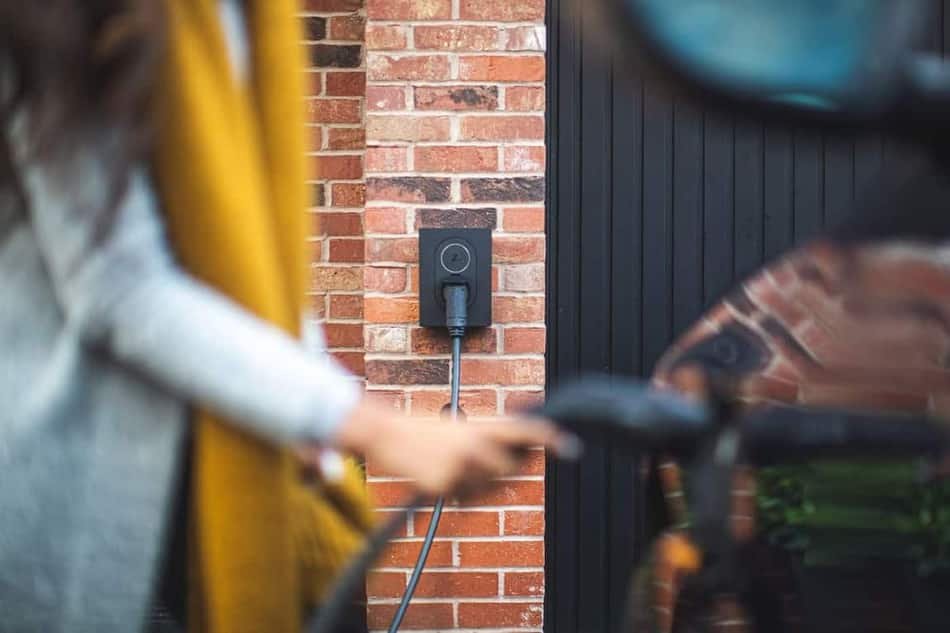
Mounting and cable management. The unit positioned so the cable reaches the vehicle’s port without stretching, and so the cable is not lying across a walkway. Small detail, daily consequence.
Load management where needed. If the calculation shows capacity is tight, a load management device monitors the service and throttles or pauses charging when other large loads run. It is dramatically cheaper than a service upgrade and, for overnight charging, has essentially no practical impact.
Permit and inspection, which is standard for this work and is worth having on record.
Talk to a technician who works on Treasure Valley homes every day.
Call (614) 756-0643The practical question is not how fast it charges, but whether it is full when you leave.
| Charger amperage | Circuit required | Practical effect |
|---|---|---|
| 16 to 24 amp | 20 to 30 amp circuit | Modest but adequate for plug-in hybrids and short daily commutes. Easy to fit on almost any service |
| 32 amp | 40 amp circuit | The sweet spot for most households. Fills a typical EV comfortably overnight and fits most existing services |
| 40 amp | 50 amp circuit | Faster, useful for larger batteries or two vehicles sharing one charger. Needs more available capacity |
| 48 amp | 60 amp circuit, hardwired | The fastest common residential option. Often requires load management or a service upgrade |
Two things cap real charging speed regardless of the unit you buy: your vehicle’s onboard charger rating, and how many hours the car is actually parked. A 48 amp charger delivers nothing extra to a car that only accepts 32 amps, and nothing extra to a driver whose car sits for twelve hours a night.
Have a licensed tech diagnose it and quote the repair up front.
Call (614) 756-0643Most installations are a single visit once the assessment is done.
The car’s onboard charger rating and the parking position determine both the unit and the run.
We calculate what your service can carry and look at the route from the panel to the charger location.
Including honestly whether load management solves it more cheaply than a service upgrade.
Dedicated circuit run, charger mounted, connections made, and the permit pulled.
A live charging test, inspection scheduled, and paperwork you can use for any available rebate.
Schedule service anywhere from Star to Mountain Home.
Call (614) 756-0643Idaho Power offers a residential rebate toward a Level 2 home charger for customers with a registered electric vehicle. It is worth checking current terms and eligibility before you buy, since programme details change, and we can supply the installation documentation these programmes typically ask for.
Meridian has grown more than 260 percent from its year-2000 population and is now Idaho’s second largest city, with about 60 percent of its housing units built after 2000. That growth profile works in favour of EV owners here. Most Meridian, Eagle, Star and Kuna homes were built with 200 amp services and attached garages, which is close to an ideal starting point: adequate capacity, a sensible place to mount the unit, and a short run from the panel, which is often in the garage itself.
Older Boise, Nampa and Caldwell housing is where capacity becomes a real question. Homes with 100 amp services, and in some cases less, need the calculation done properly, and that is exactly where load management earns its place rather than defaulting to a service upgrade.
One climate note specific to here. Cold weather reduces EV range and slows charging, and Treasure Valley winters deliver overnight lows in the twenties. A garage installation, even in an unheated garage, is meaningfully better than an outdoor one for winter charging performance, and it protects the equipment. Most valley homes have attached garages, which is a genuine practical advantage.
Source: Idaho EV incentives

Ask for an upfront price before any work starts.
Call (614) 756-0643Quoted after the load calculation and site assessment. The range is wide because the panel-to-charger run drives most of it.
Same day and next day appointments are available across the valley.
Call (614) 756-0643Ask whether a load calculation is included before any recommendation about panel capacity, and confirm the electrician is licensed in Idaho. Idaho enforces the Uniform Plumbing Code rather than the International Plumbing Code, and the electrical side runs on the National Electrical Code, both administered through the Idaho Division of Occupational and Professional Licenses. A charger circuit is permitted electrical work, so ask who is pulling the permit and whether the installation documentation you may need for a rebate application is provided as part of the job.
Be cautious of a quote that jumps straight to a panel upgrade without a calculation, since that is frequently unnecessary and considerably more expensive than the alternatives. Ask whether the quoted charger is certified by a recognised testing laboratory, since uncertified charging equipment is a real fire risk given how long it runs unattended overnight.
If you are comparing quotes, make sure they are pricing the same scope: the circuit route, the charger amperage, whether load management is included if needed, and the permit. Quotes that look far apart sometimes differ mainly in what is actually included rather than in labor rate.
Book a licensed Meridian technician for this job.
Call (614) 756-0643It costs little to plan for growth at installation and a lot to add it later.
Running a slightly larger conduit than the current circuit needs makes pulling a second circuit later straightforward rather than a full re-dig or wall opening.
If a subpanel or panel replacement is already happening, leaving a spare breaker slot for a future charger costs nothing extra at the time.
Some load management systems can manage multiple EV circuits together, which is worth specifying up front if a second vehicle is likely within a few years.
A dual-port unit can serve two vehicles from one circuit with shared, managed power, which is sometimes more economical than two separate circuits.
Get this looked at before it turns into a bigger repair.
Call (614) 756-0643The largest variable is the distance and route from your electrical panel to where the charger will be mounted. A charger on the garage wall near the panel, with an accessible run, is a straightforward job. A detached garage requiring a trenched feeder is a much larger one. Charger amperage affects conductor size and cost, and if your service needs load management that adds to it. We quote after the load calculation and a look at the route.
Not necessarily, and you should not accept that claim without a load calculation. Plenty of homes on 100 amp services accommodate a Level 2 charger comfortably, particularly at a moderate amperage. Where capacity is genuinely tight, a load management device monitors the service and reduces or pauses charging when other large loads are running, which allows a charger to fit onto a service that could not otherwise carry it, at a small fraction of the cost of a service upgrade. Get the calculation done before agreeing to anything larger.
It depends on three things: the charger’s amperage, your vehicle’s onboard charger rating, and how long the car is parked. A Level 2 charger typically adds several times the range per hour that the cord supplied with the car does. Crucially, your car caps the rate: if its onboard charger accepts 32 amps, a 48 amp charging station delivers no more than 32. For most drivers whose car sits overnight, a 32 amp charger fills it comfortably by morning, and buying more amperage changes nothing practical.
Idaho Power offers a residential rebate toward a Level 2 home charger for customers with a registered electric vehicle. Programme terms and eligibility change, so check the current details directly before purchasing. We can provide the installation documentation these programmes typically require. It is worth confirming eligibility before you buy the unit rather than afterwards, since some programmes have requirements about equipment or installation.
A Level 2 charger requires a dedicated 240 volt circuit, which is licensed and permitted electrical work. Beyond the legal position, this is a high current continuous load that will run for hours at a time, often unattended overnight, and undersized conductors or poor terminations in that situation are a genuine fire risk. Unpermitted electrical work also causes problems at the point of sale and can affect insurance. This is not a sensible do-it-yourself project.
Plug-in units connect to a dedicated 240 volt receptacle, which makes them easy to swap out or take with you if you move. Hardwired units are permanently connected and are generally required above certain amperages, and they are somewhat tidier. For a 48 amp charger, hardwiring is typically required. For lower amperages either works, and the choice comes down to whether you value the flexibility of a plug-in unit. We will explain which applies to the unit you are considering.
Yes, somewhat. Cold reduces battery capacity and slows charging, and Treasure Valley winters bring overnight lows in the twenties fairly routinely. The practical implication is that a garage installation, even in an unheated garage, performs meaningfully better than an outdoor one in winter, and it protects the equipment from weather. Most valley homes have attached garages, which is a real advantage. Many vehicles also allow scheduled preconditioning while still plugged in, which uses grid power rather than battery to warm the car before you leave.
Yes, but the cost is driven by the distance from the panel and whether a feeder needs to be trenched underground to reach the building. If the detached structure already has its own subpanel, the job may be as simple as adding a circuit there. If not, running power to it is a larger project worth pricing separately from the charger itself.
No, a home EV charger runs on your existing electrical service and meter like any other large appliance. Some utility rate plans offer time-of-use pricing that rewards charging overnight, which is worth checking with Idaho Power, but that is a billing arrangement rather than a separate physical meter or circuit requirement.
If the charger’s amperage is genuinely inadequate for your driving needs, the practical fix is usually replacing the charging unit itself on the existing circuit, or upsizing the circuit if the unit and wiring both need to change. This is exactly why matching the charger to your actual driving pattern and parking duration at the outset, rather than buying the largest available unit, tends to be the better approach.
It depends entirely on the building’s electrical configuration and available capacity, and it is worth a proper assessment before assuming either way. Condominiums and multi-family properties sometimes have shared service equipment with limited spare capacity, which can mean load management, a dedicated metering arrangement, or coordination with an HOA or property management is needed before installation.
The charger itself is the same piece of equipment either way. What professional installation adds is the dedicated circuit, the load calculation behind it, correct conductor sizing for a continuous load, and the permit and inspection that verify the work. Given that a home charger runs at high current for hours at a time, often overnight and unattended, the wiring behind the outlet matters as much as the charger plugged into it.
It adds a noticeable amount to a monthly bill, since charging an EV at home is a real load, comparable to running a small electric water heater for the hours it takes to charge. Many drivers offset this by charging overnight on a time-of-use rate plan if their utility offers one, since off-peak electricity is typically cheaper than daytime rates. It is worth checking Idaho Power’s current rate options when planning a charging schedule.
Very little. A properly installed charger has no moving parts beyond the connector itself, and most upkeep is visual: checking the cable and connector for cracking or damage, keeping the charging port area clear of debris, and making sure the unit stays dry if it is wall-mounted somewhere exposed to weather. If a breaker trips repeatedly on the charging circuit, that is worth diagnosing rather than simply resetting it each time.
Home EV chargers include internal protection circuitry and are designed to handle normal grid conditions safely, including brief interruptions, and most will simply pause and resume automatically if power blips. If your area experiences frequent voltage fluctuations or surges, whole-house surge protection installed at the panel is a reasonable additional safeguard for a charger and other sensitive electronics alike.
Request a visit and we will confirm your appointment window.
Call (614) 756-0643We start with a load calculation, so you find out whether you actually need a service upgrade before anyone quotes you one. Serving Meridian, Boise, Nampa and the wider valley.