Furnace repair and maintenance
Where heat exchanger and combustion checks happen as routine.
Learn moreCarbon monoxide has no colour, no smell and no taste. A working alarm and an annual combustion check are the only two things standing between a fault and your family.
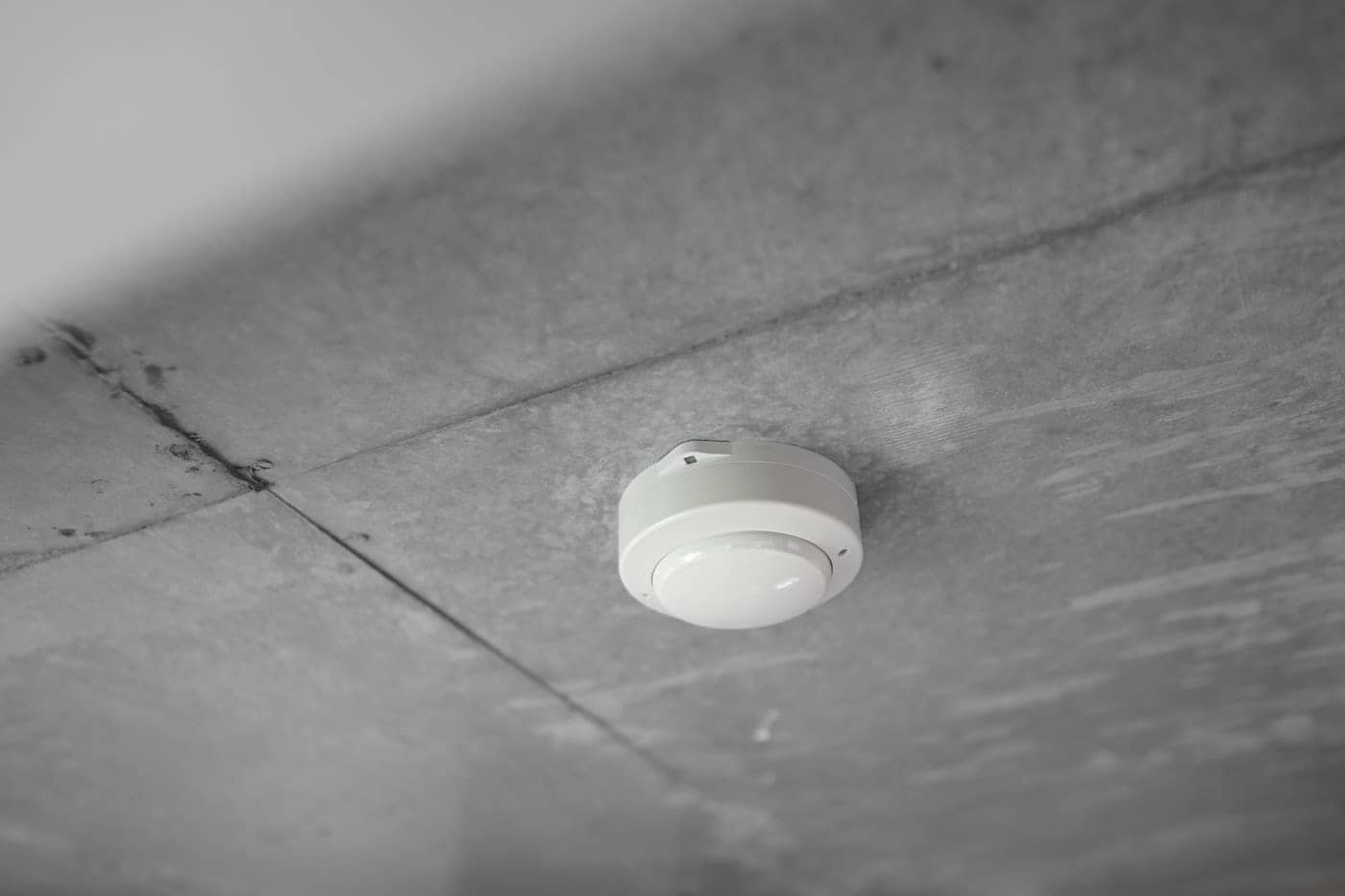
Get everyone out of the building into fresh air, including pets. Do not stop to investigate and do not assume it is a false alarm.
Call the fire service from outside. They have meters and they will make the building safe.
Do not open all the windows first. This is counterintuitive but important: ventilating the house before responders arrive clears the evidence they need to find the source. Leave, then call.
If anyone has headache, dizziness, nausea, confusion or drowsiness, tell the dispatcher, because those are carbon monoxide poisoning symptoms and they need medical assessment.
Carbon monoxide is a product of incomplete combustion. Any appliance that burns a fuel can produce it: gas furnaces, water heaters, boilers, gas fireplaces, gas ranges and dryers, plus anything running on propane, oil or wood.
When these appliances are working correctly and venting properly, combustion products go outside and nothing enters your living space. Problems arise in three ways.
Gas leaks and carbon monoxide are separate hazards worth telling apart; see our gas line page for the leak side of gas safety. A cracked heat exchanger is the one people know about. The heat exchanger separates combustion gases from the air circulating through your house. When it cracks, those two streams can mix, and the furnace blower then distributes combustion products through every room.
Venting failures are at least as common and get far less attention. A blocked flue, a disconnected vent pipe, a bird’s nest in a chimney, or a vent that has corroded through all allow combustion products to spill into the building rather than leaving it.
Poor combustion itself produces elevated carbon monoxide even when venting is intact. A dirty burner, inadequate combustion air, or an appliance not set up correctly for the altitude all cause it. That last one is a genuine local consideration, because gas equipment at Treasure Valley elevation needs the manufacturer’s high-altitude provisions applied.
There is also a category that is entirely avoidable: running an engine or generator in an attached garage, or using a barbecue or camp stove indoors. These kill people every year and they are completely preventable.
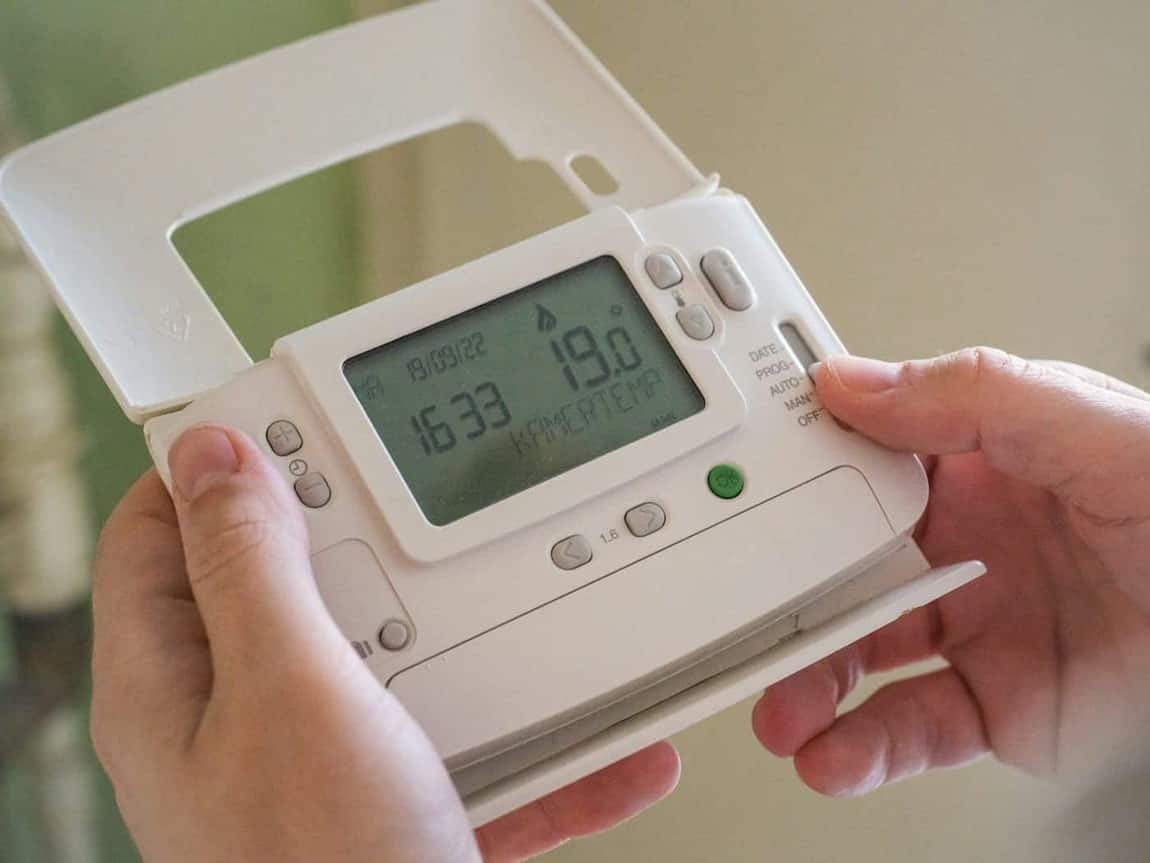
Talk to a technician who works on Treasure Valley homes every day.
Call (614) 756-0643The physical symptoms are easy to mistake for flu. The pattern is the giveaway.
Have a licensed tech diagnose it and quote the repair up front.
Call (614) 756-0643The important distinction: an alarm tells you CO has already reached the room. Combustion analysis tells you the appliance is producing it before it gets that far.
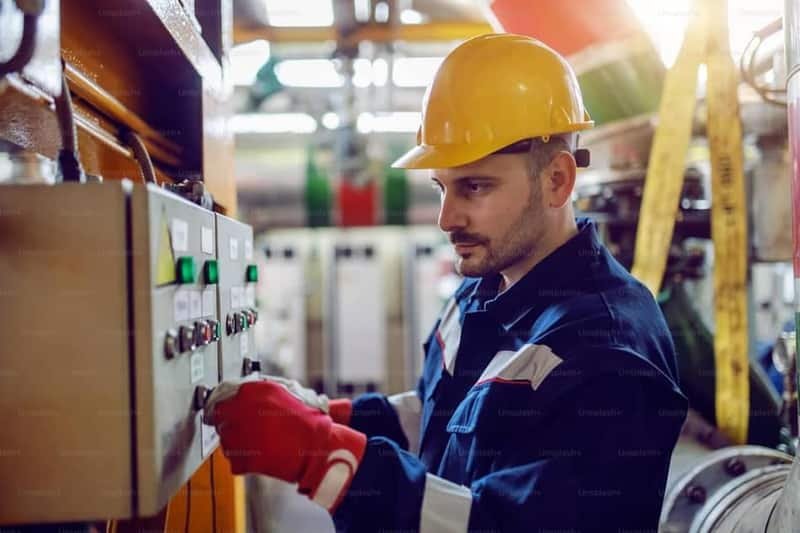
Combustion analysis is the core of the test. A calibrated analyser probe is placed in the flue while the appliance runs, and it measures what is actually in the exhaust: carbon monoxide levels, oxygen, carbon dioxide, flue temperature and combustion efficiency. This is measurement rather than inspection, and it detects problems long before a room alarm would.
Heat exchanger inspection checks the barrier between combustion and your breathing air, visually and with the analyser, since a breach often shows as a change in combustion readings when the blower starts.
Draft and venting inspection confirms combustion products are actually leaving. We check the vent connector, the flue, the termination and the draft itself with the appliance running, because a vent that looks fine can still fail to draw properly.
Combustion air assessment matters more than people expect. Appliances need air to burn, and modern tightly sealed homes can starve them. An appliance in a small sealed utility room, or one competing with a powerful kitchen extract fan, can be pulled into a backdraft where exhaust is drawn back into the house.
Ambient CO testing measures actual levels in the living space, and we check your alarms: whether you have enough, whether they are correctly placed, and critically whether they have expired.
Schedule service anywhere from Star to Mountain Home.
Call (614) 756-0643For orientation only. Any suspected exposure is a call to the fire service, not a reading to interpret yourself.
| Situation | What it indicates | What to do |
|---|---|---|
| Alarm sounding | The alarm has detected CO at a level and duration it is designed to respond to | Leave the building with everyone, call the fire service from outside |
| Alarm chirping intermittently | Usually low battery or end of unit life, not CO | Replace the battery. Check the manufacture date, as alarms expire |
| Symptoms that improve when you leave the house | A pattern strongly consistent with CO exposure | Leave, seek medical advice, and have the appliances tested |
| Yellow burner flames | Incomplete combustion at the appliance | Have it tested promptly. Ensure alarms are working meanwhile |
| No alarm, no symptoms, appliances untested | Unknown, which is the point | Annual combustion testing is how this becomes known |
Carbon monoxide alarms are life safety devices and everyone with a fuel-burning appliance should have them. But they are a last line of defence: they alert you once CO is already in the room at a meaningful concentration. Annual combustion testing addresses the cause.
Ask for an upfront price before any work starts.
Call (614) 756-0643Usually a single visit covering every fuel-burning appliance in the house.
An alarm that has sounded, symptoms you have noticed, or routine annual testing. If an alarm is sounding right now, leave the building and call the fire service first.
We identify every fuel-burning appliance and its venting arrangement, including fireplaces and ranges.
Calibrated analyser in the flue of each appliance while it runs, plus heat exchanger and draft inspection.
Ambient CO measurement in living areas, and an audit of your alarm coverage and expiry dates.
You get the actual readings and what they mean. If something is unsafe we tell you plainly and explain the options.

Same day and next day appointments are available across the valley.
Call (614) 756-0643Three local factors combine in a way that makes combustion safety more consequential in this valley than in many places.
Winter inversions. The Treasure Valley sits under temperature inversions through much of the winter, which traps carbon monoxide and fine particulates close to the ground. An inversion puts a lid on the valley, and the same conditions that concentrate pollutants outdoors also mean less natural air movement around buildings, which does nothing to help an appliance already struggling to vent.
Elevation. The valley sits at meaningful altitude, and thinner air changes the air-to-fuel ratio in gas combustion. Equipment installed above roughly 2,000 feet generally needs the manufacturer’s high-altitude provisions applied. When that step is missed, one of the consequences is incomplete combustion and elevated carbon monoxide production. It is not an exotic scenario; it is a setup detail that gets skipped by installers unfamiliar with the region.
Newer, tighter houses. Meridian has grown more than 260 percent from its year-2000 population and is now Idaho’s second largest city, with about 60 percent of its housing units built after 2000. Modern construction is far better sealed than older housing, which is excellent for energy use but means combustion appliances cannot rely on incidental air leakage to breathe. A tight house with a powerful kitchen extract fan can genuinely pull an atmospherically vented water heater into backdraft.
None of this is cause for alarm. It is cause for annual testing, which is inexpensive and definitive.
Source: Idaho DEQ regional air quality

Book a licensed Meridian technician for this job.
Call (614) 756-0643A CO safety check is a fixed visit priced on the number of appliances tested. It is one of the least expensive things you can have done on a house and one of the more consequential.
Get this looked at before it turns into a bigger repair.
Call (614) 756-0643Testing appliances is one half of carbon monoxide safety. Having working alarms correctly placed is the other, and it is something every homeowner can check without a technician.
Request a visit and we will confirm your appointment window.
Call (614) 756-0643Not every appliance carries the same risk profile, and it helps to know which ones deserve the closest attention.
| Appliance | Why it matters |
|---|---|
| Gas furnace | The most common source of a household CO incident, chiefly through a cracked heat exchanger or venting failure |
| Gas water heater | A combustion appliance like a furnace, and often less closely monitored since it runs less obviously |
| Gas fireplace or log insert | Vent blockages, including bird nests or debris in an unused flue, are a common cause here |
| Gas range and oven | Produces some CO during normal use. A range hood vented outdoors matters more than people realize |
| Gas or propane dryer | Less commonly a source, but shares the same venting failure risks as any gas appliance |
| Attached garage vehicles or engines | Not a household appliance, but the single most preventable source of serious CO exposure |
Talk to a technician who works on Treasure Valley homes every day.
Call (614) 756-0643Not every furnace service call includes real combustion testing, and it is worth knowing the difference between a visual look and an actual measurement.
Ask whether the technician used an analyzer and whether they can show you the actual readings rather than a pass or fail verdict. Readings you can compare year to year are more useful than a single word of reassurance, and a company that cannot produce numbers is likely doing a visual check rather than genuine combustion analysis.
Have a licensed tech diagnose it and quote the repair up front.
Call (614) 756-0643The two are often confused because they look similar and sometimes share a housing, but they detect completely different hazards and neither substitutes for the other.
A smoke alarm detects the particulate produced by fire, either through an ionization or photoelectric sensor, and it responds to visible smoke. A carbon monoxide alarm uses an electrochemical sensor that reacts specifically to carbon monoxide gas, which is completely invisible and produces no smoke at all. A house can have a serious carbon monoxide problem with a smoke alarm sitting silent the entire time, because smoke alarms simply are not built to detect it.
Combination smoke and CO alarms exist and are a reasonable convenience, but it is worth confirming a combination unit is genuinely dual-sensor rather than smoke-only with a CO label added for marketing. Whichever alarms are installed, both types need a working power source and both expire, so treating them as a single maintenance task, checked together, is the simplest way to make sure neither gets overlooked.
Schedule service anywhere from Star to Mountain Home.
Call (614) 756-0643Headache, dizziness, nausea, weakness, confusion and unusual drowsiness. They resemble flu, which is exactly what makes carbon monoxide dangerous, but with one crucial difference: there is no fever. The most telling pattern is symptoms that improve when you leave the house and return when you come back, and multiple people or pets in the household being unwell at the same time. If you recognise that pattern, get everyone out and seek medical advice.
At minimum one on every level of the home and one near sleeping areas, so it will wake you. Follow the manufacturer’s placement instructions, which generally advise against mounting directly beside a fuel-burning appliance, where normal brief startup emissions can cause nuisance alarms, and against very humid areas such as directly outside a bathroom. The critical detail most people miss is that carbon monoxide alarms expire, typically after five to ten years, regardless of battery condition. Check the manufacture date printed on the back of yours.
Annually, and ideally before the heating season starts, covering every fuel-burning appliance in the home. Combustion analysis on a furnace is part of a proper annual maintenance visit rather than a separate service. The distinction worth understanding is that a CO alarm tells you carbon monoxide has already reached the room at a meaningful concentration, whereas combustion testing identifies an appliance producing it before it ever gets that far.
Yes, and it is the most widely known mechanism. The heat exchanger is the metal barrier that keeps combustion gases separate from the air circulating through your ductwork. When it cracks, those two streams can mix, and the blower then distributes combustion products throughout the house. This is why heat exchanger inspection is the central item on any gas furnace maintenance visit. It is worth adding that venting failures, such as a blocked flue or disconnected vent pipe, are at least as common a cause and get considerably less attention.
It can, if the appliance was not set up for it. Air is thinner at elevation, which changes the air-to-fuel ratio in gas combustion. Manufacturers publish high-altitude instructions for equipment installed above roughly 2,000 feet, which can include derating and orifice changes. The Treasure Valley sits well into that range. When the high-altitude provisions are applied correctly there is no issue at all. When they are skipped, incomplete combustion and elevated carbon monoxide production are among the consequences, which is why we pay attention to it on equipment we did not install.
Almost certainly not. An intermittent chirp, usually one beep every minute or so, is the standard low battery or end-of-life signal. A genuine carbon monoxide alarm is a loud, insistent, repeating pattern that is impossible to mistake for a chirp. Replace the battery first, and if the chirping continues, check the manufacture date on the back, because the unit has likely reached the end of its service life and needs replacing entirely.
No, and this is one of the most common ways people are seriously harmed by carbon monoxide. A generator produces very large quantities of it, and an attached garage is not sufficiently ventilated even with the door open. The same applies to running a vehicle to warm it up in an attached garage, and to using barbecues or camp stoves indoors. Generators must be run well away from the building, with the exhaust directed away from doors, windows and vents. If you are considering backup power, a properly installed standby generator is permanently sited outside and removes this risk entirely.
Yes, gas ranges and ovens produce some carbon monoxide during normal combustion, along with other combustion byproducts, which is why using a range hood vented to the outdoors while cooking is genuinely worthwhile rather than a minor habit. The risk rises if the range is used for extended periods, if the kitchen is small and poorly ventilated, or if the range hood only recirculates air rather than venting it outside. It is a lower-level ongoing exposure rather than the acute risk of a cracked heat exchanger, but it is a real contributor worth reducing.
Yes. A gas or wood-burning fireplace can produce elevated carbon monoxide if the flue is blocked, whether by debris, a bird’s nest, or damage, even though the fireplace itself may look and burn normally from the room side. Flues that go unused for long stretches, including gas log inserts run only occasionally, are particularly worth checking before the heating season, since a blockage can develop without any visible sign from inside the house.
Yes, the same as homeowners. Renters generally do not control appliance maintenance directly, which makes a working, correctly placed carbon monoxide alarm even more important as an independent safety check, since it does not rely on the landlord’s maintenance schedule having been followed. If a rental unit lacks alarm coverage on every level, that is worth raising directly, and portable battery-powered alarms are an inexpensive way to close the gap immediately.
Have a licensed tech diagnose it and quote the repair up front.
Call (614) 756-0643Annual testing across every fuel-burning appliance in the home. If an alarm is sounding right now, leave the building and call the fire service from outside first.