AC repair and maintenance
Whole-system cooling diagnosis, of which the coil is one part.
Learn moreThe indoor coil is where heat actually leaves your house. It is also where most refrigerant leaks develop, and where a dirty surface quietly costs you capacity every summer.

Two causes, and they are frequently confused because the symptom is identical.
Restricted airflow is the more common. The coil relies on a steady flow of warm indoor air passing over it. When a clogged filter, a dirty blower wheel inside the air handler, or a fouled coil surface reduces that flow, the coil temperature drops below freezing and condensation on it turns to ice.
Low refrigerant charge causes the same thing by a different route. Less refrigerant means lower pressure in the coil, which means a lower evaporating temperature, which drops the coil below freezing even with perfect airflow.
Distinguishing between them takes measurement, specifically superheat and static pressure. Guessing usually results in refrigerant being added to a system that was never low.
The evaporator coil is where cooling actually happens. Liquid refrigerant enters, expands, and absorbs heat from the air passing over the coil’s fins. That heat is carried outside to the condenser and rejected. The coil is also where humidity is removed, as moisture condenses on the cold surface and drains away.
Two things go wrong with coils, and they need very different responses.
Fouling is the gradual one. The coil sits directly in the airstream, so anything that gets past the filter lands on it. Dust bonds to the wet surface during cooling operation and builds into a layer between the fins. That layer insulates the coil from the air, so heat transfer drops, and it restricts airflow at the same time. The result is a system that cools progressively less well over several years without anything having failed.
Leaks are the expensive one. Evaporator coils are a very common site of refrigerant leaks, and the mechanism is usually formicary corrosion: microscopic pinholes that develop in the copper from the inside out, driven by organic acids from ordinary household chemicals, cleaning products and building materials. It produces leaks so small they can take a season to show up as reduced performance, and they are genuinely difficult to see.
Because a leaking coil often looks perfectly clean and undamaged, homeowners are frequently told the system just needs refrigerant. It does not. It needs the leak found.

Talk to a technician who works on Treasure Valley homes every day.
Call (614) 756-0643Coil problems present as general cooling complaints, which is why they get misdiagnosed.
Have a licensed tech diagnose it and quote the repair up front.
Call (614) 756-0643The first decision is whether you have a dirty coil or a leaking one, because they lead in completely different directions.
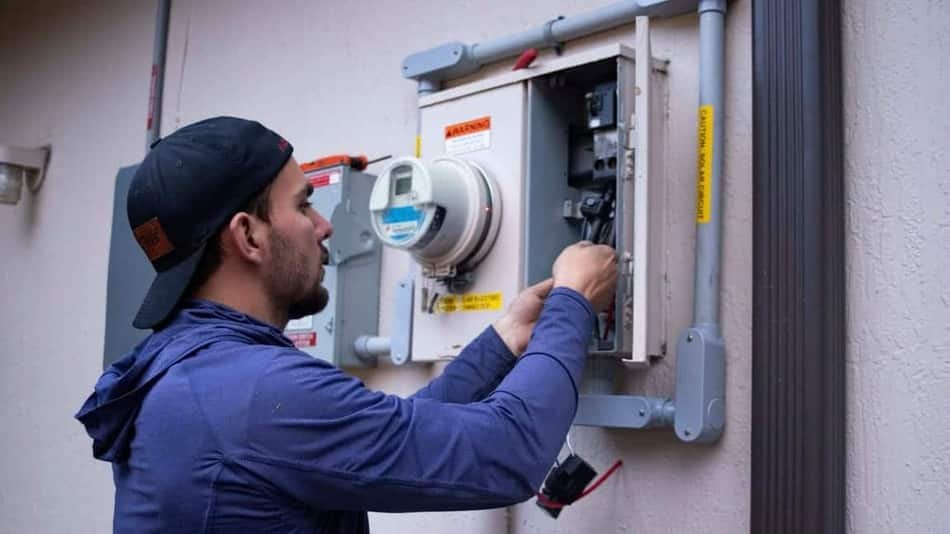
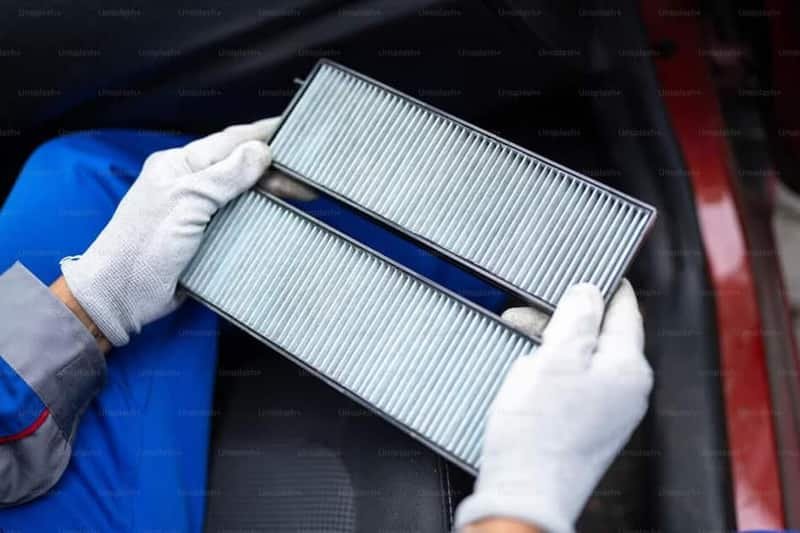
Coil cleaning is done properly or not at all. That means gaining real access to the coil, which sometimes requires cutting and reforming access into the plenum, and cleaning both faces. Spraying cleaner on the visible face of a coil accomplishes very little, because the fouling is between the fins and largely on the upstream face you cannot see without proper access. Done thoroughly, cleaning restores capacity that has been lost for years.
Leak detection uses several methods depending on the situation: electronic leak detectors, ultraviolet dye circulated in the system and inspected under UV light, and nitrogen pressure testing for isolating a section. Formicary corrosion pinholes are small enough that patience matters more than equipment.
Once a leak is found, the decision is repair or replace. A leak at a joint or a service connection is often repairable. Formicary corrosion in the coil tubing itself generally is not, because where one pinhole has formed others are developing in the same conditions. Repairing one and returning next season for the next is not a service anyone should be selling.
Coil replacement requires matching the new coil to the outdoor unit. Fitting a mismatched coil produces reduced capacity, reduced efficiency and potential warranty problems. Where the outdoor unit is also near end of life, replacing the coil alone may not be the better value, and full system replacement is worth pricing alongside it, which we will lay out honestly rather than making the decision for you.
Schedule service anywhere from Star to Mountain Home.
Call (614) 756-0643The symptoms overlap considerably, which is exactly why measurement matters.
| Indicator | Points to fouling | Points to a leak |
|---|---|---|
| How the decline happened | Gradual over several seasons | Noticeable within a single season, or after a previous top-up |
| Superheat reading | Normal to low | High, because there is not enough refrigerant to fill the coil |
| Static pressure | Elevated, because the coil is restricting airflow | Normal |
| Visual condition | Visible dust matting between the fins | Often looks clean. Sometimes oily residue is present |
| Ice pattern when frozen | Ice tends to form across the whole coil face | Ice often starts at one part of the coil and spreads |
| What fixes it | Thorough cleaning, plus addressing the filter regime | Locating the leak, then repair or coil replacement |
If a system has needed refrigerant more than once, it has a leak. There is no normal consumption of refrigerant in a sealed system, and anyone treating repeated top-ups as routine maintenance is not doing you a service.
Ask for an upfront price before any work starts.
Call (614) 756-0643Diagnosis comes first, because cleaning a coil that is leaking solves nothing.
Gradual decline, sudden loss, freezing, or a previous refrigerant top-up. The history is genuinely diagnostic here.
Superheat, subcooling and static pressure, which separate a fouling problem from a charge problem.
Access the coil for visual inspection, and run electronic or UV leak detection where the readings point that way.
Cleaning, leak repair or coil replacement, with honest advice on which is worth doing given the age of the system.
System re-measured after the work so the improvement is demonstrated rather than assumed.

Same day and next day appointments are available across the valley.
Call (614) 756-0643The dominant local factor is airborne particulate, and this valley produces a lot of it.
Agricultural activity across Ada and Canyon county puts fine soil particulate into the air through the dry months. Field work, harvest and dry summer conditions all contribute, and that dust does not stop at the filter, because no filter captures everything and many homes run filters well past their useful life. What gets through lands on a wet coil and bonds to it.
Then there is late summer smoke. The Treasure Valley sits under temperature inversions through much of the winter, which traps carbon monoxide and fine particulates close to the ground. Wildfire smoke reaching the valley carries very fine particulate that passes standard filters readily, and during a smoke episode the volume is substantial.
The combination means evaporator coils here accumulate fouling meaningfully faster than in a non-agricultural area with cleaner summer air. A coil that might reasonably go a decade without attention elsewhere is a genuine maintenance item on a valley system.
The practical implication is straightforward: filter discipline matters more here, and the coil is worth inspecting rather than assumed clean. It is also worth understanding that the cost of a fouled coil is not dramatic failure but a quiet, continuous loss of capacity and efficiency across every cooling season.
Source: Idaho DEQ regional air quality
Book a licensed Meridian technician for this job.
Call (614) 756-0643Cleaning, leak detection and replacement are very different in scale. Priced after diagnosis and agreed before work.
Get this looked at before it turns into a bigger repair.
Call (614) 756-0643Not entirely, because the organic acids that drive it come from ordinary household sources such as cleaning products, adhesives, paint and even some building materials off-gassing indoors. It can, however, be reduced by improving indoor air circulation and by avoiding storing strong cleaning chemicals or solvents near the indoor unit or return air grille.
Coated coils, which some manufacturers offer with a protective finish over the copper, are somewhat more resistant, and are worth asking about on a replacement if formicary corrosion has already claimed a previous coil in the same house. There is no guaranteed prevention, which is part of why a good parts warranty on the coil is worth checking for at the time of purchase.
Request a visit and we will confirm your appointment window.
Call (614) 756-0643Talk to a technician who works on Treasure Valley homes every day.
Call (614) 756-0643| Factor | Cleaning | Replacement |
|---|---|---|
| Typical driver | Gradual fouling from dust and debris | Leak, physical damage, or end of service life |
| Parts involved | None, this is a labour service | A matched coil, plus refrigerant recovery and recharge |
| Access required | Reaching both faces of the existing coil | Removing the old coil and fitting the replacement |
| Warranty relevance | Not applicable | Often covered if within the manufacturer’s parts warranty window |
| Typical outcome | Restored airflow and heat transfer on an otherwise sound coil | A new coil matched to the outdoor unit’s capacity |
Have a licensed tech diagnose it and quote the repair up front.
Call (614) 756-0643The evaporator coil produces condensate constantly during cooling operation, and that water has to leave the cabinet through a drain line and, on most systems, a safety float switch designed to shut the system down if the drain blocks. A coil problem and a drain problem often show up together, since a frozen coil that thaws produces far more water at once than the drain and pan were designed to handle continuously.
Algae growth is the most common cause of a blocked condensate drain in a valley climate, and it is a routine part of coil-related service to clear the line and confirm the safety switch trips correctly. Ignoring a slow drain because the coil itself seems fine is how a manageable maintenance item turns into water damage under or around the air handler.
Schedule service anywhere from Star to Mountain Home.
Call (614) 756-0643Most residential evaporator coils use copper tubing with aluminum fins, a combination chosen for good heat transfer and reasonable cost. All-aluminum coils exist on some equipment lines and are generally more resistant to formicary corrosion, since the corrosion mechanism specifically targets copper, though they carry their own trade-offs in repairability, since aluminum is harder to braze in the field than copper.
When replacing a coil after a corrosion failure, it is a reasonable question to ask what the replacement coil is made from and whether an all-aluminum option exists for that equipment line. It will not eliminate every possible failure mode, but for a homeowner who has already lost one coil to formicary corrosion, it is a legitimate factor to weigh alongside cost and warranty terms.
Ask for an upfront price before any work starts.
Call (614) 756-0643It depends on the coil itself, how accessible it is, whether refrigerant has to be recovered and recharged, and which refrigerant the system uses. Before agreeing to anything, check the warranty: evaporator coils commonly carry ten year parts warranties from the manufacturer, and the corrosion failures that take them out often happen within that window. The labour remains chargeable but the part may be covered, which changes the number substantially. We check this as a matter of course.
The most common mechanism is formicary corrosion, sometimes called ant nest corrosion. Organic acids, produced by ordinary household chemicals, cleaning products, adhesives and building materials, attack the copper tubing and create microscopic tunnels through the wall from the inside out. The resulting pinholes are genuinely tiny, which is why a leaking coil often looks completely clean and undamaged. It also explains why these leaks are slow: a system can lose charge gradually over a season before anyone notices reduced cooling.
Sometimes, if the leak is at a joint or a connection. Formicary corrosion in the coil tubing itself generally cannot be repaired durably, because the conditions that produced one pinhole are producing others in the same tubing. Patching one and returning next season for the next is not a service worth buying. When the leak is corrosion in the tubing, replacement is the honest answer, and we would rather tell you that than sell you a repair we expect to fail.
It depends on your filtration and your environment, and in this valley the environment is demanding. Agricultural dust through the dry months and late summer wildfire smoke both load coils faster than in most places. We inspect the coil during annual maintenance rather than working to a fixed interval, because a home with good filter discipline and a home that changes filters once a year are in very different positions. The important point is that coil fouling is invisible from outside the cabinet and costs you capacity continuously.
If the coil is fouled, noticeably. Dust bonded between the fins insulates the coil from the air passing over it and restricts airflow at the same time, so you lose heat transfer and airflow together. Because this happens gradually over several seasons, most people have no idea how much capacity they have lost until it is restored. What matters is that the cleaning is done properly, with real access to both faces of the coil, rather than a spray on the visible surface which achieves very little.
Both cause freezing and the symptom looks identical, which is why it needs measuring rather than guessing. Superheat and static pressure readings separate them: restricted airflow shows elevated static pressure with normal to low superheat, while a low charge shows high superheat with normal static pressure. Getting this wrong is expensive in a specific way, because a system diagnosed as low on refrigerant when it actually has an airflow problem gets refrigerant added, ends up overcharged, and the underlying restriction is still there.
It depends on the age of the outdoor unit and what refrigerant the system uses. If the condenser is relatively young and the coil is under warranty, replacing the coil is usually straightforward and sensible. If the outdoor unit is also approaching the end of its life, or the system uses a refrigerant that is being phased down and getting more expensive to service, putting a new coil onto it may not be the better value. We will lay out both numbers and the reasoning honestly rather than deciding for you.
Not entirely, since it is driven by organic acids from ordinary household products, cleaning chemicals and building materials rather than anything you did wrong. Reducing strong chemical storage near the indoor unit and improving air circulation can help somewhat, and coated coils offer more resistance where a homeowner has already lost one coil to it. There is no guaranteed prevention, which is why a solid parts warranty at purchase is worth having.
The pattern of decline is the best early clue. A gradual loss of cooling capacity over several seasons, without any refrigerant top-ups, usually points to fouling that cleaning will fix. A system that suddenly needs refrigerant, or that needed a top-up before and now needs one again, has a leak that cleaning will not address. Measurement settles it definitively when the history is ambiguous.
Generally not. Refrigerant leaks and coil corrosion are considered a mechanical or wear issue rather than a sudden covered event in most standard homeowners policies, though it is worth checking your specific policy. This is separate from the manufacturer’s parts warranty, which is the coverage most likely to actually apply and is worth checking before agreeing to a replacement.
A straightforward replacement on an accessible coil is typically completed in a few hours, including refrigerant recovery, fitting the new matched coil, evacuating the line set and recharging. It takes longer where access is difficult, such as a coil that requires cutting and reforming plenum access, or where the refrigerant type requires additional handling steps.
Often, yes. The evaporator coil is wet during every cooling cycle, and biological growth on a coil surface that never fully dries between runs is a common source of a musty smell when the system starts. Poor drainage or a coil that is fouled enough to hold moisture longer than it should both make this worse. Cleaning the coil and confirming the condensate drains properly usually resolves it.
Have a licensed tech diagnose it and quote the repair up front.
Call (614) 756-0643We measure first so you find out whether it is fouling, airflow or a leak, rather than paying for refrigerant a sealed system never needed.