Carbon monoxide safety testing
The safety side of gas heating, and the reason heat exchanger inspection matters.
Learn moreMost no-heat calls in January come down to four parts. We diagnose the actual fault, check combustion safety while we are in there, and quote before we fix.
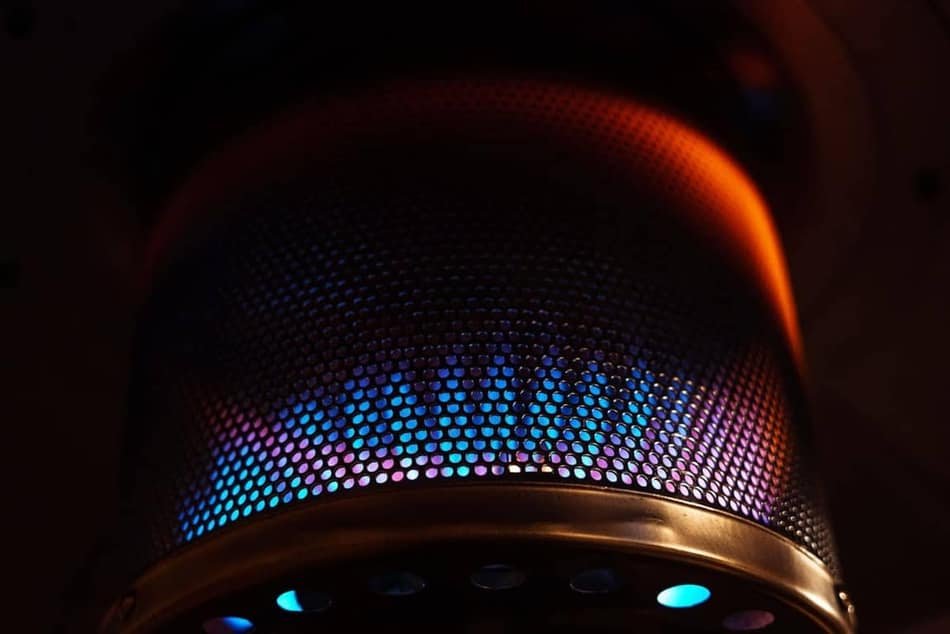
Four faults account for the large majority of no-heat calls, and they present in a predictable order.
A dirty flame sensor is the single most common. The furnace lights, runs for a few seconds, then shuts down and tries again. A thin oxide film on the sensor stops it confirming flame, so the control board shuts the gas off as a safety measure. Cleaning it takes minutes.
A failed hot surface ignitor means the furnace goes through its start sequence but never lights. A clogged filter restricts airflow until the high limit switch trips on overheat. A blocked condensate drain on a high efficiency furnace backs water up into a safety switch that locks the unit out.
The good news is that all four are inexpensive repairs. The important part is that a technician also checks the heat exchanger while the panels are off.
Modern furnaces are full of safety interlocks, and most no-heat situations are the furnace refusing to run rather than the furnace being broken. Understanding that changes how you read the symptoms.
Short cycling, where the burner lights then shuts off after a few seconds, is nearly always the flame sensor. It is a thin metal rod that sits in the flame and carries a tiny electrical current through the ionised gas. A film of oxide interrupts that signal, the board concludes there is no flame, and it closes the gas valve. This is the system working correctly on bad information.
Blower running but no heat points at the ignition side: the ignitor, the gas valve or the pressure switch.
The furnace runs then overheats and shuts down is almost always airflow. A clogged filter, closed vents or a failing blower motor mean the heat exchanger cannot shed its heat into the airstream, so the high limit trips. Left unaddressed, repeated overheating is one of the things that cracks a heat exchanger.
Nothing at all happens usually means power, the thermostat, a tripped breaker, or the door safety switch that cuts the furnace when the front panel is not seated properly.
A high efficiency furnace that locks out intermittently is frequently a condensate problem. Condensing furnaces produce acidic water, and if the drain or trap blocks, a float switch shuts the unit down.
Ask for an upfront price before any work starts.
Call (614) 756-0643Some of these are routine. Two of them are safety matters that should not wait.
Same day and next day appointments are available across the valley.
Call (614) 756-0643A repair visit fixes what failed. A maintenance visit is about the failures that have not happened yet.
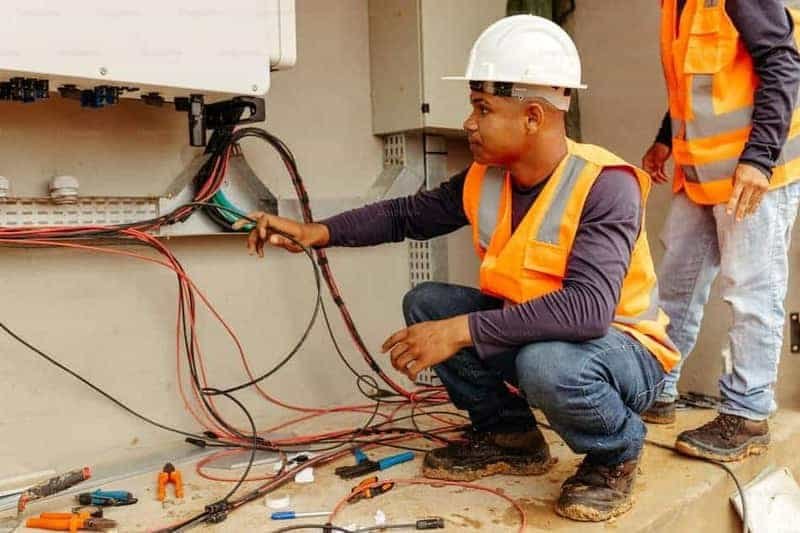
On a repair call we work the diagnostic sequence rather than swapping parts. That means reading the control board’s fault code, checking the call for heat through the thermostat, verifying the pressure switch and inducer, watching the ignition sequence, and measuring where it actually stops. Guessing at furnace parts is expensive and it frequently does not fix the problem.
On annual maintenance, the single most important item is the heat exchanger inspection. The heat exchanger is the metal barrier separating combustion gases from the air circulating through your house. When it cracks, combustion products including carbon monoxide can enter the airstream. This is the reason gas furnaces are supposed to be inspected annually, and it is the check that gets skipped on cheap tune-ups.
Alongside that: cleaning the flame sensor before it fails, checking burner condition and flame quality, testing safety switches, measuring temperature rise across the heat exchanger to confirm airflow is correct, checking static pressure, inspecting the flue and draft, testing the condensate system on high efficiency units, and checking the blower.
Temperature rise deserves a mention because it is diagnostic. Every furnace has a specified rise range on its rating plate. Measuring the actual rise tells you immediately whether airflow is adequate, and a furnace running above its range is overheating its heat exchanger every single cycle.
Book a licensed Meridian technician for this job.
Call (614) 756-0643Age alone is not the deciding factor. What failed matters more.
| Situation | Usually repair | Consider replacement |
|---|---|---|
| Flame sensor, ignitor, capacitor, pressure switch | Yes, at almost any age. These are routine wear parts | No |
| Blower motor failure | Yes on a furnace under about twelve years old | On an older unit, the cost approaches a meaningful share of replacement |
| Cracked heat exchanger | No. This is a safety issue, not an efficiency one | Yes. On an out-of-warranty furnace, replacement is normally the answer |
| Control board failure | Yes if parts are available and the unit is otherwise sound | Boards for obsolete models can be scarce and expensive |
| Furnace over 20 years old with a major fault | Rarely worth it | Yes. Efficiency gains and reliability both favour replacement |
| Repeated failures across a season | No | Yes. Repeated repairs on one unit are a pattern, not bad luck |
We do not condemn heat exchangers casually. It is the single most common way homeowners get sold a furnace they did not need. If we tell you a heat exchanger has failed, we will show you the evidence, and walk you through replacement options sized to your house rather than the old unit’s label.
Get this looked at before it turns into a bigger repair.
Call (614) 756-0643No heat in winter is treated as a priority call.
No heat at all, heat that does not last, strange noises, or a unit that keeps locking out. Each narrows the diagnosis.
Fault codes, the ignition sequence and actual measurements, rather than replacing parts until something works.
You hear what failed, why, and what it costs, and you approve it before we proceed.
The fault fixed, plus heat exchanger, combustion and draft checks while the unit is open.
Temperature rise measured, safety switches confirmed, and the unit run through a full cycle.
Request a visit and we will confirm your appointment window.
Call (614) 756-0643Treasure Valley winters routinely drop into the low twenties overnight in January, while July afternoons average near 92 degrees, so the same house has to survive hard freezes and high desert heat in the same year. That is a demanding but not extreme heating climate, and it has a specific consequence: furnaces here run long, steady seasons rather than short brutal ones, which means wear accumulates through hours of runtime rather than through extreme stress.
There is a technical local factor that is genuinely important and frequently overlooked. The Treasure Valley sits at meaningful elevation, with Boise around 2,700 feet and Mountain Home higher still. Air is thinner at altitude, which affects the air-to-fuel ratio in gas combustion. Gas appliances installed above roughly 2,000 feet generally require attention to derating and orifice sizing, and manufacturers publish specific high-altitude instructions for their equipment.
When this is handled correctly, nothing is noticeable. When it is not, the results are poor combustion, sooting, nuisance lockouts and, in the worst case, elevated carbon monoxide production. It is one of the reasons we are wary of equipment installed by someone unfamiliar with the region.
The Treasure Valley sits under temperature inversions through much of the winter, which traps carbon monoxide and fine particulates close to the ground. That is directly relevant to heating. Inversions reduce the atmosphere’s ability to disperse pollutants near ground level, which makes correct venting and combustion on every gas appliance in the valley more consequential than it would be somewhere with better winter air mixing.
Source: Idaho DEQ regional air quality
Talk to a technician who works on Treasure Valley homes every day.
Call (614) 756-0643Diagnosis first, then a price you approve before any repair proceeds. There is no scenario where the number changes afterwards.
Have a licensed tech diagnose it and quote the repair up front.
Call (614) 756-0643A few checks take two minutes and occasionally solve the problem outright. None of them involve opening the furnace cabinet or the gas line.
If none of that resolves it, stop there. Repeatedly cycling the power switch or the breaker on a furnace that is genuinely faulted does not fix anything, and on a gas appliance showing signs of poor combustion, such as yellow flames or a burning smell, it is a call-a-technician situation rather than a troubleshooting one.
Schedule service anywhere from Star to Mountain Home.
Call (614) 756-0643Treasure Valley furnaces run a long, steady heating season, so the schedule that makes sense here is built around that pattern rather than a generic national one.
The logic behind a September visit rather than, say, November is simple. The parts responsible for most no-heat calls, flame sensors, ignitors, condensate drains, are all things a technician can find and fix while the weather is still mild and while scheduling is not competing with everyone else’s emergency. Waiting until the first cold night to find out the furnace has a fault means waiting for a repair alongside every other household doing the same thing.
Ask for an upfront price before any work starts.
Call (614) 756-0643Furnace work is combustion safety work as much as it is comfort work, so the standard for who you let touch it should be higher than for most home repairs.
Price alone is a poor way to choose, because the cheapest quote on a furnace repair is sometimes cheap because the heat exchanger inspection got skipped. That is not a saving worth having.
Same day and next day appointments are available across the valley.
Call (614) 756-0643Almost certainly a dirty flame sensor. The sensor is a thin metal rod that sits directly in the burner flame and carries a very small current through the ionised gas, which is how the control board confirms the burner actually lit. A film of oxide builds on it over time and interrupts that signal, so the board concludes there is no flame and closes the gas valve as a safety measure. The furnace is working exactly as designed on bad information. Cleaning the sensor is a quick, inexpensive fix.
Annually for a gas furnace, and ideally in autumn before the heating season starts. The central reason is the heat exchanger inspection, which checks the metal barrier separating combustion gases from the air circulating through your house. A crack in it can put carbon monoxide into your living space. Everything else on a maintenance visit, cleaning the flame sensor, checking airflow, testing safety switches, is genuinely useful but secondary to that safety check.
It is not something a homeowner can reliably determine, which is exactly why it is inspected professionally. Indicators that warrant immediate attention include a carbon monoxide alarm sounding, yellow or lazy burner flames instead of crisp blue, soot around the furnace, a persistent chemical smell during operation, and family members experiencing headaches or nausea that improve when they leave the house. A technician inspects visually and can use combustion analysis to detect the signature of a breach. We do not condemn heat exchangers without showing you the evidence, because this is one of the most common ways people are sold furnaces they did not need.
If the fault is a wear part such as a flame sensor, ignitor or capacitor, repair it. Those are inexpensive and there is no sense replacing a working furnace over a small part. If the fault is a cracked heat exchanger, a failed control board on an obsolete model, or a major component on a unit that has already needed several repairs, replacement is usually the better decision. At twenty years you are also well into the range where a modern high efficiency unit will meaningfully reduce running costs.
This is usually airflow. A clogged filter, closed or blocked vents, or a failing blower means the heat exchanger cannot transfer its heat into the airstream fast enough, so it overheats and the high limit switch shuts the burner down as a protection. It restarts once it cools, and the cycle repeats. Beyond being ineffective at heating the house, repeated overheating is one of the mechanisms that eventually cracks a heat exchanger, so it is worth resolving rather than living with. Start with the filter.
Yes, and it is a genuine technical consideration here. The valley sits at meaningful elevation, with Boise around 2,700 feet and Mountain Home higher again. Thinner air changes the air-to-fuel ratio in gas combustion, and equipment installed above roughly 2,000 feet generally requires the manufacturer’s high-altitude provisions, which can include derating and orifice changes. Done correctly it is invisible. Done incorrectly it shows up as poor combustion, sooting, nuisance lockouts and potentially elevated carbon monoxide.
Complete combustion of natural gas produces a crisp blue flame. Yellow, orange or lazy flames indicate incomplete combustion, which produces carbon monoxide. Causes include a dirty burner, inadequate combustion air, a blocked flue, or an incorrectly set up appliance including high-altitude setup problems. This is not something to monitor and see how it goes. Have it looked at promptly, and make sure your carbon monoxide alarms are working in the meantime.
A brief odor the first time a furnace runs after months idle is usually dust burning off the heat exchanger and burner assembly, and it typically clears within ten to fifteen minutes. It is common enough to not be alarming on its own. What is not normal is a smell that persists well beyond the first run, gets stronger, or smells distinctly like gas rather than dust, any of which is a reason to shut the furnace down and have it checked.
It is a simple part to clean but it involves removing a panel, disconnecting a wire and handling a component near live gas and electrical connections, so we would rather a technician do it as part of a proper visit that also checks the heat exchanger. If the flame sensor were the only thing ever worth checking, this would be a smaller page. It is one part of a diagnostic sequence, not an isolated task.
A furnace that attempts ignition, fails, and tries again before finally lighting usually points to a weak ignitor, a dirty flame sensor, low gas pressure, or a partially blocked burner. It is worth having looked at even if it eventually lights, because a furnace that struggles to ignite consistently is more likely to fail outright on a cold night, and repeated failed ignition attempts can also indicate a gas valve or pressure switch issue.
For most homeowners, yes, mainly because it removes the temptation to skip the annual visit. The heat exchanger inspection is the one item on that visit that genuinely matters for safety, and it only works if it actually happens every year. A maintenance plan that guarantees an autumn appointment before the heating season starts is worth more than the modest savings it usually includes.
Same day and next day appointments are available across the valley.
Call (614) 756-0643No heat calls are prioritised through the winter across Meridian, Boise, Nampa and the surrounding valley. If a CO alarm is sounding, get everyone outside and call the fire service first.