Drain cleaning
The first response to most blockages, and where the majority of drain calls end.
Learn moreCabling punches a hole through a blockage. Jetting scours the pipe back to its original diameter. The difference shows up in how long it stays clear.
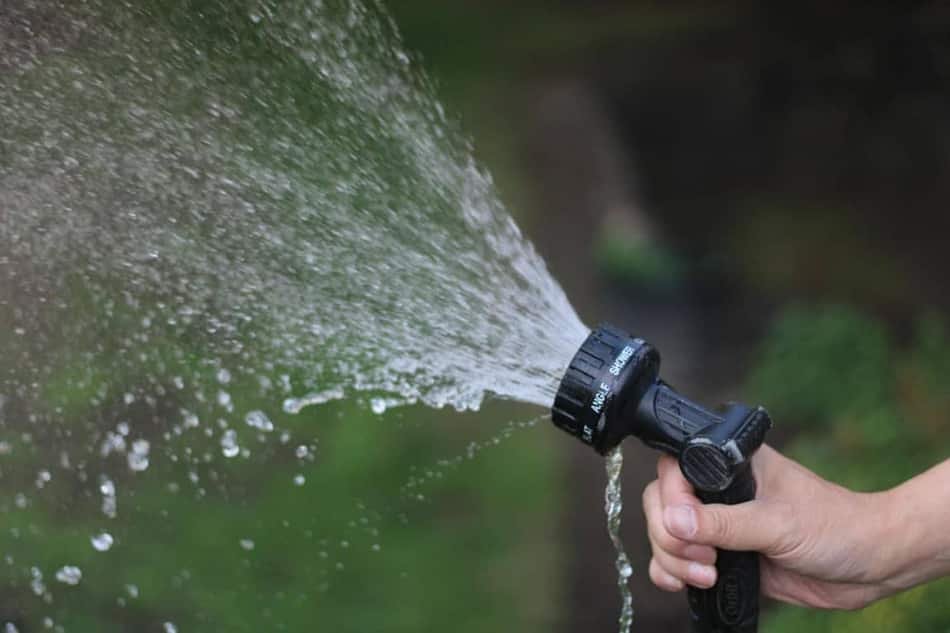
Hydro jetting cleans a drain or sewer line using water at very high pressure, delivered through a nozzle that drives itself forward while spraying backward against the pipe walls. Instead of boring a channel through a blockage, it strips the pipe back toward its original inside diameter.
You need it when clearing has stopped being enough: grease-coated kitchen lines, restaurant and commercial drains, heavy scale in older cast iron, root mass in a lateral, and any drain that has blocked repeatedly despite being cabled.
You do not want it on a pipe that is already cracked, collapsed or severely corroded, which is exactly why a camera inspection comes first.
Picture a four inch drain line that has carried kitchen waste for fifteen years. The inside is not clean pipe with a plug of debris in it. It is pipe with a thick, hardened coating of grease and food residue on every surface, leaving perhaps an inch and a half of open channel down the middle.
When that finally blocks and a cable is run through it, the cable cuts a passage through the obstruction. Water flows again and the drain works. But the coating is untouched, so the line is still an inch and a half of usable pipe inside a four inch shell, and it is still collecting everything that goes down it.
Jetting addresses the coating itself. The nozzle emits jets angled backward, which both propels it up the line and directs the water at the pipe wall. The buildup is cut away and flushed back toward the access point. Done properly, the line comes back to something close to its full diameter.
That is the difference between a drain that blocks again in four months and one that runs properly for years.
Request a visit and we will confirm your appointment window.
Call (614) 756-0643Jetting is not the first response to every clog. These are the situations where it is the right call.
Talk to a technician who works on Treasure Valley homes every day.
Call (614) 756-0643The inspection is not an upsell. It is what determines whether jetting is appropriate at all.
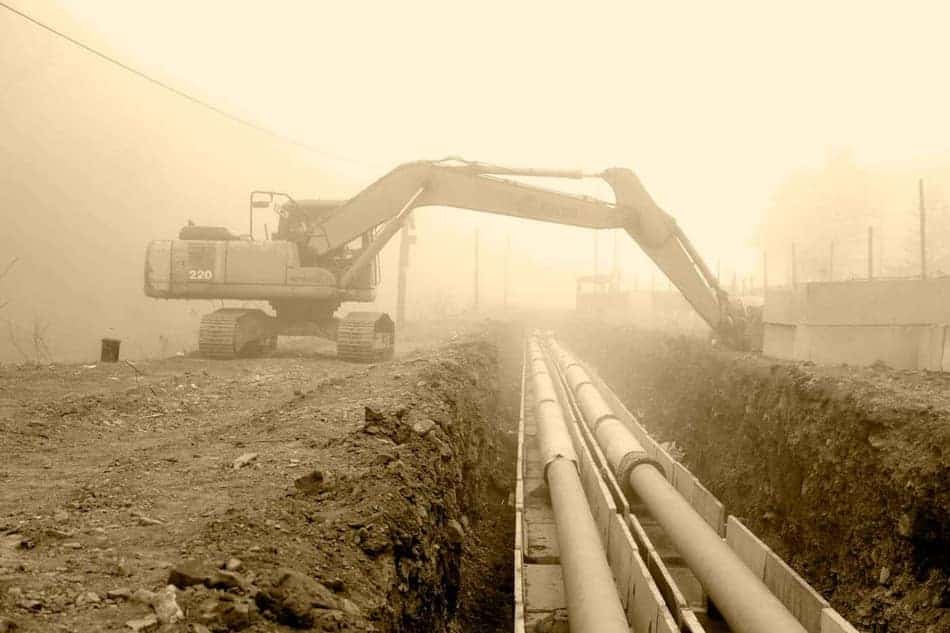
Camera inspection first. We put a camera down the line and look at what we are dealing with. This tells us the pipe material, its condition, where the buildup is, whether roots are present and whether there is any structural damage. It also confirms the line can safely take the pressure.
Nozzle and pressure matched to the pipe. Different nozzles do different jobs. A penetrating nozzle opens a hard blockage, a flushing nozzle moves sludge, a rotating nozzle cuts grease and scale from the walls, and a root nozzle handles root mass. Pressure is set for the pipe material and condition rather than run at maximum.
Working the line properly. Jetting is done in passes rather than one run, working the nozzle up the line and back, so material is cut away progressively and flushed toward the access point rather than compacted further in.
Camera again afterwards. The second inspection is what proves the work. You see the same line, cleaned, and you can judge the result rather than take our word for it.
Have a licensed tech diagnose it and quote the repair up front.
Call (614) 756-0643Both have a place. Choosing correctly depends on the pipe and the problem.
| Consideration | Cable machine | Hydro jetting |
|---|---|---|
| How it clears | Mechanical cutting head bores through the obstruction | High pressure water scours the full pipe circumference |
| Result | Flow restored, wall coating remains | Pipe returned close to original inside diameter |
| Grease removal | Poor. Cuts through it but leaves the coating | Excellent. This is what jetting is built for |
| Scale in cast iron | Limited | Effective, within the limits of what the pipe can safely take |
| Roots | Cuts them, leaves the root mass and entry point | Removes mass more completely, entry point still needs addressing |
| Risk on damaged pipe | Lower, but still real on fragile lines | High. Not appropriate on cracked or collapsed pipe |
| Typical application | First response to a one-off clog | Recurring blockages, grease lines, commercial maintenance |
| Cost | Lower | Higher, and it lasts considerably longer |
The right sequence for a recurring blockage is camera, then decide. Jetting a line nobody has looked inside is a gamble with someone else’s plumbing.
Schedule service anywhere from Star to Mountain Home.
Call (614) 756-0643Longer than a standard drain call, because the inspection is part of the work.
How often the line blocks, what has been done before, and whether it is residential or commercial. History is the strongest indicator that jetting is warranted.
We inspect the line and establish its material, condition and what is actually causing the problem.
If jetting is appropriate you get a price before we start. If it is not, we tell you what the line needs instead.
Correct nozzle, pressure matched to the pipe, worked progressively up the line and back.
The line is inspected again so you can see the finished condition for yourself.
Ask for an upfront price before any work starts.
Call (614) 756-0643Two situations account for most of the jetting we do here, and they sit at opposite ends of the building age spectrum.
The first is commercial kitchens. Meridian’s growth has brought a great deal of restaurant development along Eagle Road, Fairview and around The Village, and grease is simply part of that business. Commercial lines carry a load residential drains never see, and jetting on a maintenance schedule is far cheaper than closing for a day because the drains have backed up.
The second is older cast iron. Nampa’s median home construction year sits right around 2000, but roughly one in ten houses there predates 1950, which puts two very different plumbing eras inside the same city limits. Older parts of Boise and Caldwell share the same profile. Cast iron drainage corrodes internally over decades, building a rough scaled layer that snags everything passing through it. Jetting can restore a meaningful amount of that lost diameter, and it buys real time before a repipe becomes necessary.
There is an important caveat with old cast iron. Some of it is too far gone to jet safely. Corrosion can leave the pipe wall thin enough that high pressure water will breach it, which is precisely why we look inside first.
Source: Nampa housing data
Same day and next day appointments are available across the valley.
Call (614) 756-0643Jetting costs more than cabling because it is a bigger piece of equipment doing considerably more work. Quoted after the camera inspection, agreed before we start.
Book a licensed Meridian technician for this job.
Call (614) 756-0643Get this looked at before it turns into a bigger repair.
Call (614) 756-0643If a company offers to jet your line over the phone without ever proposing a camera inspection first, that is a meaningful warning sign. High pressure water on a pipe with an unknown, unseen defect can turn a repair into a full replacement. A reputable operator inspects, explains what the footage shows, and only then recommends jetting if the pipe can safely take it.
Request a visit and we will confirm your appointment window.
Call (614) 756-0643What is actually inside the pipe changes the labor time considerably. Loose grease coating clears in relatively few passes. Compacted root mass or hardened scale that has built up over many years takes longer to fully remove and may need a different nozzle partway through the job to finish the work properly.
Line length and diameter scale the job in an obvious way, but access is the less obvious multiplier. A cleanout positioned conveniently near the problem area lets the hose reach efficiently. A line that can only be accessed from one distant point, or through a roof vent, extends the working time even on a line of identical length and condition.
Talk to a technician who works on Treasure Valley homes every day.
Call (614) 756-0643For sound pipe, yes. For pipe that is already cracked, collapsed, badly corroded or offset at a joint, no, and it can turn a repair into a replacement. This is exactly why we run a camera down the line before jetting anything we have not seen inside. If the inspection shows the pipe cannot safely take it, we will tell you that and talk about repair instead. Anyone willing to jet without looking first is taking a risk with your plumbing rather than their own.
More than standard cabling, because it is heavier equipment doing considerably more work, and the price depends on the length and diameter of the line, what is inside it and how accessible the cleanout is. We quote after the camera inspection so the number reflects the actual job. For commercial kitchens, scheduled jetting works out cheaper than emergency call-outs during service.
It depends on the volume of the kitchen and how well grease is managed upstream, but a scheduled interval is far better than waiting for a backup. Restaurants that jet on a planned schedule outside service hours avoid both the emergency premium and the lost trade from closing. We can look at your line and the load it carries and suggest a realistic interval.
It removes root mass more thoroughly than a cutting head does, because it strips material from the full circumference rather than boring through the middle. What it does not do is address how the roots got in. If roots are entering through a cracked joint or a failed section, they will find their way back. Jetting buys time and restores flow, but the durable fix is repairing or lining the entry point.
Considerably longer than cabling, because the line is returned close to its original diameter rather than left with a channel through the buildup. How long depends on what caused the problem. A residential kitchen line that is jetted and then treated better can run for years. A commercial grease line will need it again on a predictable schedule. A line with roots entering through a break will block again until the break is fixed.
Sometimes, and it can be very effective at restoring diameter lost to internal scale. But old cast iron is also the material most likely to have corroded to the point where the wall is too thin to take the pressure safely. This is not a judgement anyone can make from outside the pipe, which is why the camera inspection is non-negotiable. If the pipe is too far gone, the conversation moves to repair or replacement.
Both. Commercial kitchens are the most frequent users because of their grease load, but residential jetting is common too, particularly for kitchen lines that keep slowing down and for older homes with scaled cast iron. If a drain in your house has been cleared more than once, jetting is usually the conversation worth having.
Longer than a standard cabling call because the camera inspection, before and after, is part of the process. A single residential kitchen line is usually a few hours including the inspections. A longer commercial main or a badly fouled lateral takes more time.
On sound pipe, no, it is a controlled and standard maintenance method. The risk exists only with pipe that is already compromised, which is exactly why the pre-inspection is treated as a required step rather than an optional add-on in any responsible operation.
The core method is the same, but nozzle selection, pressure and pass count are adjusted for pipe diameter and material. A four inch kitchen branch and a larger diameter sewer main are approached differently, and commercial or municipal-adjacent mains sometimes need larger equipment than a typical residential setup.
Often, yes, particularly when the smell is caused by decaying organic material or grease buildup coating the pipe walls. Removing that coating removes the source of the odor rather than masking it, which is a meaningful difference from a chemical treatment that only covers the smell temporarily.
Generally, yes, since it uses only water under pressure rather than caustic chemicals that eventually enter the wastewater system. It also avoids the corrosive effect repeated chemical use has on aging pipe, particularly cast iron, which is a secondary benefit beyond the immediate cleaning result.
Ensure clear access to the cleanout or the fixture that will be used for entry, and let us know about any recent plumbing work or known pipe damage before the appointment. Little other preparation is needed since the camera inspection at the start of the visit informs everything that follows.
Shared laterals are less common in newer construction but do exist in some older neighborhoods. Jetting a shared line generally requires coordination with whoever else is connected to it, and we would discuss that specific situation with you before proceeding, since responsibility and access can both be more complicated than a private lateral.
Considerably less, in almost every case, provided the pipe is a genuine candidate for jetting rather than one that is already structurally compromised. Regular jetting on a grease-prone commercial line or an aging cast iron line is routine maintenance spending, while replacement is a capital project. The camera inspection is what tells you honestly which category your situation falls into.
Yes, within reason. The flexible hose follows most standard bends without difficulty, though a line with unusually tight or numerous turns can slow progress and occasionally limits how far the nozzle can travel before losing effective pressure at the working end.
Immediately. Jetting does not require any curing or downtime the way some pipe lining processes do, since it is purely a mechanical cleaning process using water. Fixtures and drains connected to the treated line can be used right away.
Noticeably slower drainage across multiple fixtures that has developed gradually, a kitchen that has needed cabling more than once in a year, or simply knowing a line has never been cleaned in a home with mature cast iron plumbing are all reasonable triggers for a preventive jetting rather than waiting for a full blockage to force the issue.
A cable and a jetter apply force differently, and that matters on genuinely fragile pipe. Jetting uses water pressure distributed across a rotating head rather than a single point of mechanical force, which is usually gentler on sound pipe walls, but a line that is already cracked, badly corroded, or has open joints can be pushed further apart by the water pressure. That is why we camera-inspect before jetting rather than jetting blind.
A single main line run is often finished within an hour once the truck is set up, including the camera check before and after. Heavier grease buildup in a commercial line, or a line with multiple branches to clear, takes longer. Setup and cleanup around the equipment usually add more time to the visit than the jetting itself.
Talk to a technician who works on Treasure Valley homes every day.
Call (614) 756-0643We inspect the line first, tell you honestly whether jetting is the right answer, and show you the footage afterwards so you can see what you paid for.