Water leak detection
For leaks inside walls, under slabs or underground that have not yet revealed themselves.
Learn moreIf water is coming out of a pipe right now, shut off the main and call. Everything else, including finding out why it burst, can happen after the water stops.
One: shut off the water. Find your main shutoff and close it. In most Treasure Valley homes it is where the supply enters, often in the garage, a utility room or a crawl space, and there is also a valve at the meter box near the street.
Two: kill the power to affected areas if water is anywhere near outlets, panels or fixtures, and only if you can reach the breaker panel safely and dry.
Three: drain the system by opening the lowest taps in the house. This relieves pressure and empties the pipes rather than leaving them full.
Four: call. Then start moving anything valuable out of the water while you wait.
Freezing is the dominant cause in this valley, and the mechanism is often misunderstood. A pipe does not usually split at the frozen point. Ice forms and blocks the pipe, then water trapped between that ice plug and a closed tap is compressed as the ice keeps growing. Pressure builds in that trapped section until the pipe fails, frequently at a point some distance from the actual ice.
Treasure Valley winters routinely drop into the low twenties overnight in January, while July afternoons average near 92 degrees, so the same house has to survive hard freezes and high desert heat in the same year. That temperature profile is the reason. Treasure Valley winters are not brutally cold by national standards, but they reliably deliver nights well below freezing, and the vulnerable pipes here are the ones in spaces nobody heats.
The locations that fail, in order of how often we see them: outdoor hose bibs where a hose was left connected over winter, crawl space runs that lost their insulation or sit in a draught from an open vent, garage plumbing including the water heater and softener lines, exterior wall runs in kitchens and bathrooms, and unconditioned attic and bonus room lines.
Freezing is not the only cause. Corroded galvanized pipe fails on its own schedule, copper develops pinhole leaks, and excessive water pressure stresses the whole system. But in January, it is almost always the cold.
Talk to a technician who works on Treasure Valley homes every day.
Call (614) 756-0643A frozen pipe that has not yet burst is a situation you can still get ahead of. These are the signals.
Have a licensed tech diagnose it and quote the repair up front.
Call (614) 756-0643First stop the water. Then repair properly, rather than patching something that will fail again.
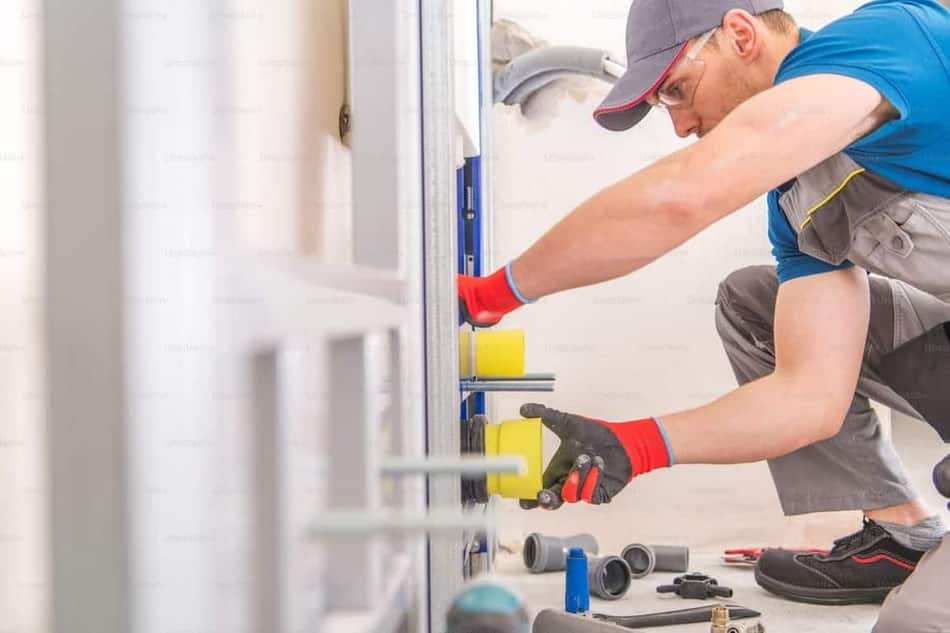
Emergency response starts with isolating the failure. If you have not been able to find your main shutoff, that is the first thing we deal with on arrival. Getting the water stopped limits the damage, and everything after that is repair rather than crisis.
Thawing frozen sections is done carefully. Never with an open flame, which is both a fire risk and a good way to damage the pipe. Controlled heat applied progressively from the tap end back toward the blockage lets meltwater escape rather than becoming trapped.
Repair means replacing the failed section properly, not sleeving over a split. If a pipe has burst once because of where it runs, we will talk to you about that, because a repair in the same location with the same exposure will freeze again next winter.
Prevention is the part worth doing before December. Insulating exposed runs, fitting frost-proof hose bibs, sealing the draughts in crawl space vents that turn a cold night into a frozen pipe, and identifying which lines in your house are actually at risk.
Schedule service anywhere from Star to Mountain Home.
Call (614) 756-0643Freezing is highly predictable. It is almost always the same handful of locations.
| Location | Why it freezes | What prevents it |
|---|---|---|
| Outdoor hose bibs | A connected hose traps water in the tap and stops it draining back | Disconnect hoses in autumn. Fit frost-proof sillcocks where freezing recurs |
| Crawl space runs | Open vents create draughts across uninsulated pipe | Insulate the pipe, manage the vents seasonally, seal obvious draughts |
| Garage plumbing | Garages are unheated and doors open to outside air | Insulate water heater and softener lines, keep the door closed in cold snaps |
| Exterior wall runs | Pipe sits between insulation and cold sheathing | Open cabinet doors under sinks in a cold snap so room air reaches the pipe |
| Attic and bonus room lines | Above the insulation line, in effectively outdoor temperatures | Insulation and, in severe cases, rerouting into conditioned space |
| Vacant or unheated properties | No heat at all, and nobody there to notice | Winterise properly: drain the system rather than relying on a thermostat |
The cheapest freeze prevention in Idaho is disconnecting your garden hoses before the first hard freeze. It costs nothing and it eliminates the most common burst we get called to.
Ask for an upfront price before any work starts.
Call (614) 756-0643Emergencies get prioritised, and there are things you can usefully do before we arrive.
Stopping the water is the single most valuable thing you can do. Every minute of flow is more damage.
Where the water is coming from, how much, and whether it is near electrical equipment. That determines how we prioritise.
On arrival we confirm the water is off, locate the failure, and check whether other sections are also at risk.
You see the cost before the repair proceeds, even on an emergency call.
We tell you why it burst and what would stop it happening in the same place next winter.
Same day and next day appointments are available across the valley.
Call (614) 756-0643Treasure Valley winters routinely drop into the low twenties overnight in January, while July afternoons average near 92 degrees, so the same house has to survive hard freezes and high desert heat in the same year. People moving here from genuinely cold parts of the country sometimes assume Idaho winters are mild enough not to worry about. The temperatures are not extreme, but they do not need to be. A pipe in an unheated crawl space with an open vent will freeze on a night in the low twenties without any difficulty at all.
Two building characteristics make this valley particularly prone. First, crawl space construction is very common here rather than full basements, and crawl spaces are vented, unheated and often lose their insulation over the years. Second, garages carry a lot of plumbing in valley homes, including the water heater and frequently a water softener, and garages are neither heated nor sealed. Standing meltwater left in a crawl space once a frozen line thaws is a job for a sump pump rather than letting it sit.
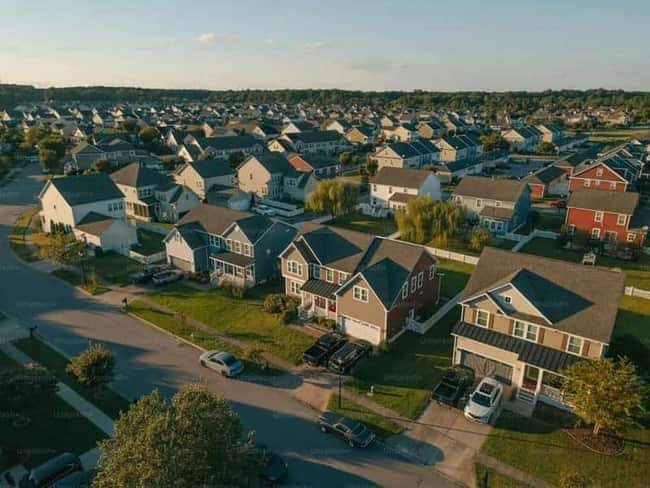
Meridian has grown more than 260 percent from its year-2000 population and is now Idaho’s second largest city, with about 60 percent of its housing units built after 2000. There is a wrinkle in that for newer homes. Fast-built houses sometimes have insulation gaps in exactly the places that matter, and homeowners in a five year old house tend to assume freeze protection was handled. It usually was, but not always, and the first hard freeze is when you find out.
Source: Boise climate averages
Book a licensed Meridian technician for this job.
Call (614) 756-0643Emergency work is quoted before the repair proceeds, the same as any other job. What varies is how much has to be opened up to reach the failure.
Get this looked at before it turns into a bigger repair.
Call (614) 756-0643Request a visit and we will confirm your appointment window.
Call (614) 756-0643Response time matters, but so does what happens once someone arrives. Ask whether the technician will assess other at-risk sections of pipe while they are there, not just patch the one that failed. A burst pipe rarely happens in isolation from the conditions that caused it, and a contractor who only fixes the visible failure without asking why it happened is setting you up for a repeat next winter.
Talk to a technician who works on Treasure Valley homes every day.
Call (614) 756-0643Where the failure sits changes the job more than almost anything else. A split in an accessible crawl space run or a garage line is a contained repair. The same failure inside a finished wall or ceiling means opening the building to reach it, and that opening then has to be patched afterward, which is a separate cost from the plumbing repair itself.
How many sections failed also matters. A single hard freeze sometimes produces one obvious split, but the whole run may have been stressed along its length, and additional weak points can reveal themselves once the system is pressurized again. We flag this rather than close the job the moment the first visible leak stops.
Have a licensed tech diagnose it and quote the repair up front.
Call (614) 756-0643Shut off the water at the main. In most valley homes the shutoff is where the supply enters the house, commonly in a garage, utility room or crawl space, and there is also a valve in the meter box near the street. After that, turn off power to affected areas if water is anywhere near electrical equipment and you can reach the panel safely. Then open the lowest taps in the house to drain the system and relieve pressure, and call. Finding your main shutoff before you ever need it is genuinely the most useful thing a homeowner can do.
There is no single number, because it depends on exposure, insulation and how long the cold lasts as much as on the temperature itself. Treasure Valley January nights average in the low twenties, and that is comfortably enough to freeze an uninsulated pipe in a vented crawl space, an unheated garage or an exterior wall. A brief dip below freezing rarely causes problems; a sustained cold snap over several days is when we get busy.
Because the ice itself is not what splits the pipe. Ice forms and blocks the line, then as it continues to grow it compresses the water trapped between the ice plug and a closed tap. That trapped water has nowhere to go, pressure rises sharply, and the pipe fails at its weakest point, which is often some distance from the ice. This is also why letting a tap drip during extreme cold helps, because it gives that pressure somewhere to escape.
Disconnect garden hoses before the first hard freeze, which eliminates the single most common burst we attend. Insulate exposed pipe in crawl spaces, garages and any unconditioned space. Deal with obvious draughts around crawl space vents. During a cold snap, open cabinet doors under sinks on exterior walls so room air can reach the pipes, and let a tap drip on the most vulnerable run. If a particular hose bib keeps freezing, replacing it with a frost-proof sillcock is a permanent fix.
Cautiously, and never with an open flame. A blowtorch on a frozen pipe is a genuine fire risk and can damage the pipe badly. Open the tap that the frozen section feeds, then apply gentle heat starting at the tap end and working back toward the blockage, using a hair dryer or heat gun on a low setting. Working from the tap end lets meltwater escape rather than becoming trapped behind the ice. If you cannot reach the frozen section, or if you find a bulge in the pipe, stop and call, because a bulged pipe will release when it thaws.
Policies commonly cover sudden and accidental water damage while excluding gradual damage from a long-term leak, but coverage varies significantly and we are not in a position to interpret your policy. What helps your position is documentation: photograph the damage before any cleanup starts, keep records of the repair, and contact your insurer promptly. We can explain what failed and why, which is usually what an adjuster wants to understand.
Burst pipes are treated as emergencies because the damage compounds every minute the water runs. Emergency response is dispatched outside posted hours, and out of hours work is priced differently from scheduled work, which we tell you before proceeding. The most useful thing you can do in the meantime is get the main shutoff closed.
In most Treasure Valley homes it is where the supply line enters the house, commonly in the garage, a utility closet, or a crawl space access area. There is also a separate valve in the meter box near the street, usually operated with a special key or a pair of pliers. Finding and testing both before an emergency is the single most useful five minutes a homeowner can spend.
Yes, if water sits or moisture lingers in a wall, floor or crawl space for more than about a day or two. Speed matters as much for mold prevention as for the immediate water damage. Getting the water stopped quickly, then drying the affected area promptly, is what keeps a burst pipe from becoming a longer-term air quality problem.
Because they sit between the wall’s insulation and the cold exterior sheathing, sometimes with very little separation from outside air. Interior pipes are surrounded by conditioned space on all sides and rarely freeze. Opening cabinet doors under sinks on exterior walls during a cold snap lets warmer room air reach the pipe.
Not usually in the same way a full burst is, but it should not be ignored. A weeping joint can be an early sign of a freeze-related crack that has not fully failed yet, or ordinary wear on an aging fitting. Either way, addressing it before it fails completely is far cheaper than an emergency call.
Only on lines you know are genuinely at risk, such as an exterior wall run or an uninsulated crawl space pipe, rather than as a blanket habit for the whole house. Moving water resists freezing better than still water, and a slow drip also relieves the pressure buildup that causes a pipe to split once ice forms.
No water pressure at any fixture when you first arrive is the clearest sign, along with any visible bulging in exposed pipe. A vacant or seasonally unoccupied home is genuinely higher risk because nobody is there to notice the early signs, which is why properly winterizing an unoccupied property, rather than relying on a thermostat alone, matters more there than anywhere else.
It helps but is not a guarantee, particularly for pipes in unheated spaces like garages and crawl spaces that a thermostat has no influence over. Setting the thermostat no lower than around 55 degrees is standard advice, but the vulnerable pipes are usually the ones outside the conditioned envelope entirely.
A supply line break can put out several gallons a minute, so the damage in the first ten minutes after a shutoff is far smaller than the damage without one. That is the entire reason we lead with shutting off the main: it converts an active flood into a standing-water cleanup, which is a much smaller job for everyone involved, including your insurer.
No, and this catches people out. Ice expanding inside a frozen section builds pressure that often ruptures the pipe at its weakest point elsewhere in the run, sometimes several feet from where the ice itself formed. That is why a burst can show up on an exterior wall on the opposite side of the house from the cold snap that caused it.
Have a licensed tech diagnose it and quote the repair up front.
Call (614) 756-0643Shut off your main water valve first, then get in touch. Emergency response across Meridian, Boise, Nampa, Caldwell and the surrounding valley.