Drain cleaning
When the toilet is a symptom and the main line is the actual problem.
Learn moreA blocked toilet is either a fixture problem or the first sign of a main line problem. Telling those two apart in the first five minutes is what stops a small job becoming a large one.

This is the question that matters most, and you can answer it yourself in about a minute. Run the bathroom sink and the tub.
If they drain normally and only the toilet is blocked, the obstruction is in the toilet itself or its short branch line. That is a straightforward fixture job.
If the sink gurgles, the tub backs up, or water rises in the shower when you flush, the blockage is in the main line that everything drains into. Clearing the toilet will not fix it, and continuing to flush will put wastewater on your floor. That is a main line call, or if it keeps recurring, a job for sewer line diagnosis.
Modern toilets use considerably less water per flush than older ones, which is good for water use but leaves less margin for carrying solids down the line. That is the background condition behind a lot of toilet blockages, particularly in the long, shallow-fall branch runs common in single storey homes.
The direct causes, in order of frequency: too much paper in one flush, wipes marketed as flushable, which do not break down the way paper does and are a leading cause of both toilet and main line blockages, foreign objects, which in family homes means toys, toothbrushes and phones, and hygiene products, which are designed to absorb and expand.
There is a local factor as well. In hard water, mineral deposits build up inside the rim jets, the small holes under the toilet rim that direct water around the bowl during a flush. As those scale over, the flush loses its swirl and its carrying power. The toilet is not blocked, it is simply flushing weakly, and it starts blocking as a result. It is a common finding in Treasure Valley homes and it is easily corrected.
Beyond blockages, the other calls we get are running toilets, which are usually a failed flapper or fill valve and waste an enormous volume of water, leaks at the base, which mean the wax ring or the flange, and rocking toilets, which will break the seal if left.
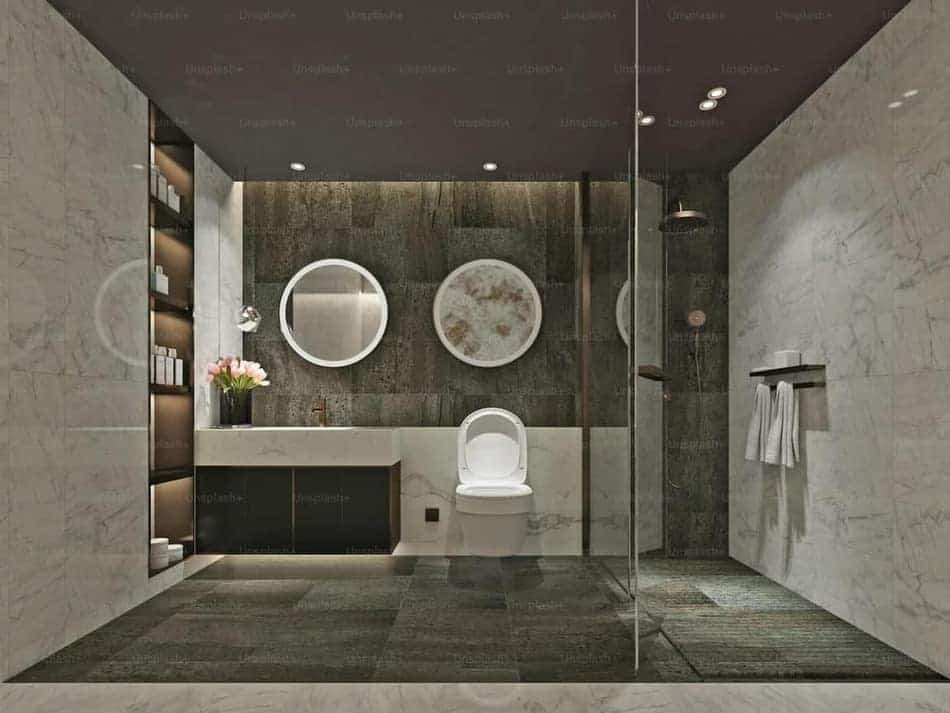
Get this looked at before it turns into a bigger repair.
Call (614) 756-0643Some of these are quick fixes. One of them is a floor repair waiting to happen.
Request a visit and we will confirm your appointment window.
Call (614) 756-0643Most toilet calls are resolved in one visit, including replacements.

Clearing blockages starts with the right tool. A closet auger is designed specifically for toilets, with a protective sleeve that reaches through the trap without scratching the porcelain. A standard drain snake used carelessly will damage the bowl.
If the blockage will not clear from above, or if the obstruction is a solid object, the toilet gets pulled. That sounds dramatic but it is routine, and it is often faster than repeated attempts from the top. Pulling the toilet also lets us inspect the flange and reset the fixture on a fresh wax ring.
Repairs cover the internal components, which are inexpensive and straightforward: flappers, fill valves, flush valves and supply lines. A running toilet is one of the cheapest repairs in plumbing and one of the largest sources of wasted water in a house.
Flange and wax ring work is the repair that matters structurally. The flange is the fitting that anchors the toilet to the floor and connects it to the drain. When it cracks or corrodes, or when the floor around it has been softened by a long-term leak, the toilet loses its anchor and the seal fails. Repairing this properly may mean a flange repair ring or, where the subfloor has been damaged, addressing that too.
Replacement is worth considering when a toilet blocks repeatedly despite a clear line, when the porcelain is cracked, or during a bathroom remodel.
Talk to a technician who works on Treasure Valley homes every day.
Call (614) 756-0643Some of this is worth attempting yourself. Some of it makes things worse.
| Situation | Worth trying | Do not |
|---|---|---|
| Bowl draining slowly, water not at the rim | A flange plunger with a firm seal, several steady strokes rather than one hard shove | Do not keep flushing to see if it clears. That is how it overflows |
| Water at the rim, about to overflow | Remove the tank lid and close the flapper by hand to stop water entering the bowl | Do not flush again under any circumstances |
| Plunging has not worked after a few attempts | Call. Repeated aggressive plunging can push an object further into the line | Do not use chemical drain cleaner in a toilet. It will not clear a solid blockage and it makes the job hazardous |
| Something solid was dropped in | Turn off the supply valve and call | Do not flush to try to move it along. That lodges it in the trap or the branch line |
| Other fixtures backing up too | Stop using water in the house and call | Do not treat it as a toilet problem. It is the main line |
The single most useful thing to know: the shutoff valve is on the wall behind the toilet, usually on the left. Closing it stops water entering the tank and prevents an overflow while you work out the next step.
Have a licensed tech diagnose it and quote the repair up front.
Call (614) 756-0643Usually a single visit, and often a short one.
Blocked, running, leaking at the base or rocking. Also tell us whether any other drain is affected, because that changes the job entirely.
We check whether the problem is the fixture or the line, because clearing a toilet on a blocked main is wasted work.
You approve the cost first, including if we find the flange has failed once the toilet is lifted.
Cleared from above where possible, pulled where necessary, and reset on a fresh wax ring.
Several flushes, the base checked dry, and the fixture confirmed solid on the floor.
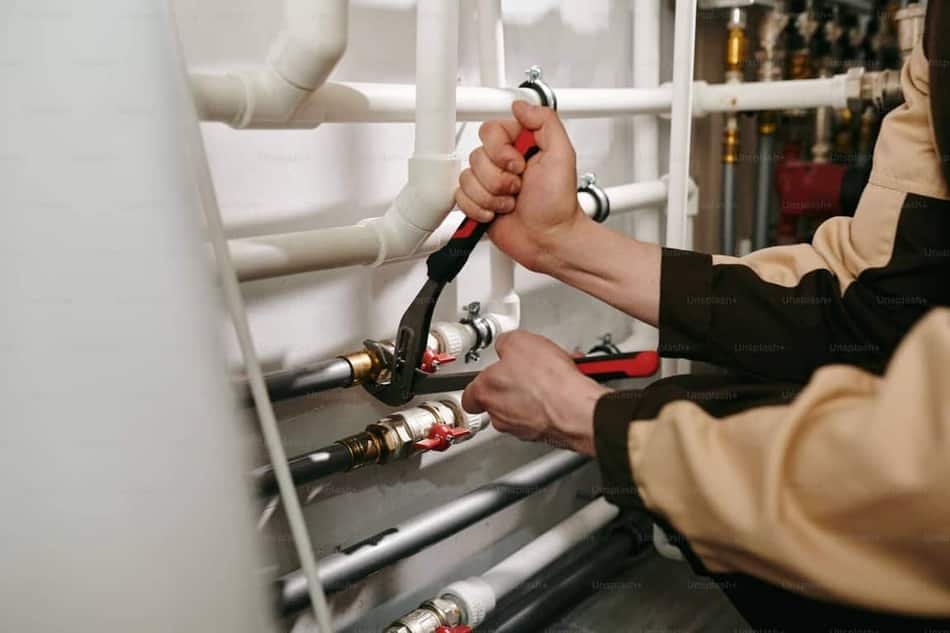
Schedule service anywhere from Star to Mountain Home.
Call (614) 756-0643City of Meridian water averages about 7 grains per gallon, with independent testing putting parts of the system closer to 8.4 grains per gallon. The effect on toilets is specific and often misdiagnosed.
Under the rim of the bowl is a channel with a series of small holes, the rim jets, which direct water around the bowl during a flush to create the swirl that carries waste into the trap. In hard water, those holes scale over gradually. The toilet still flushes, but with progressively less force and less swirl, and eventually it stops reliably clearing the bowl in one go.
Homeowners usually read this as a blockage, and it is not. It is a flush power problem, and it is why a toilet that has never been blocked in a decade starts blocking regularly. Descaling the rim jets restores the flush, and a water softener stops the scale from forming in the first place.
Meridian has grown more than 260 percent from its year-2000 population and is now Idaho’s second largest city, with about 60 percent of its housing units built after 2000. There is a scale angle here as well: a large number of valley homes were fitted with the same generation of low-flow toilets during the building boom, and those fixtures have now spent twenty years in hard water. Rim jet scaling across a whole neighbourhood of similar-aged homes is exactly what you would expect, and it is what we find.
Source: City of Meridian water FAQ
Ask for an upfront price before any work starts.
Call (614) 756-0643Toilet work spans a wide range, from a short clearing visit to a full replacement. Priced before we start, as always.
Same day and next day appointments are available across the valley.
Call (614) 756-0643Modern toilets vary far more in flush performance than their identical-looking bowls suggest. A larger trapway and a well-engineered flush valve carry solids more reliably than a low-cost model with a narrow trapway, regardless of how the bowl is styled.
In hard water areas like this valley, a design with fewer small rim jet holes to scale over, or a rimless design that flushes through a single larger channel, holds its flush power longer between cleanings.
Book a licensed Meridian technician for this job.
Call (614) 756-0643Get this looked at before it turns into a bigger repair.
Call (614) 756-0643| Situation | Try this | Avoid this |
|---|---|---|
| Bowl draining slowly | A flange plunger, several firm steady strokes | Repeated flushing to see if it clears |
| Water near the rim | Close the flapper by hand inside the tank to stop the fill | Flushing again under any circumstances |
| Weak, swirl-less flush | Check for visible mineral buildup at the rim jets | Assuming it is a blockage and plunging aggressively |
| Running continuously | Check the flapper for a visible gap or warping | Ignoring it, since it wastes a large volume of water daily |
Request a visit and we will confirm your appointment window.
Call (614) 756-0643Whether the toilet has to be pulled from the floor is the single biggest factor. A blockage that clears from above with a closet auger is a short visit. An obstruction that will not pass, or a solid object dropped in, generally means lifting the fixture, which takes longer but also gives us a chance to inspect the flange and reset the toilet on a fresh seal while it is off the floor anyway.
Flange condition is the other major variable, and it is often invisible until the toilet comes up. A sound flange means a routine reset. A cracked or corroded one means a repair that has to happen before the toilet can be reinstalled properly, and in cases where a long-term leak has damaged the subfloor beneath it, that repair extends further still.
Talk to a technician who works on Treasure Valley homes every day.
Call (614) 756-0643Run the bathroom sink and the tub. If they drain normally and only the toilet is affected, the blockage is in the toilet or its branch line, which is a straightforward fixture job. If the sink gurgles, the tub backs up, or water rises in the shower when you flush, the blockage is in the main line that everything drains into. In that case clearing the toilet achieves nothing, and continuing to flush will put wastewater on your floor.
They will go down the toilet, but they do not break apart in water the way toilet paper does. That is the distinction the labelling glosses over. Wipes stay intact through the branch line and into the main, where they snag on anything rough and accumulate. They are one of the leading causes of both toilet and main line blockages, and they cause significant problems at municipal treatment facilities. The honest answer is that nothing except toilet paper and human waste should go down a toilet.
In this valley, the most likely answer is mineral scale blocking the rim jets, the small holes under the rim that direct water around the bowl. Hard water gradually closes them off, the flush loses its swirl and its carrying power, and a toilet that never used to block starts blocking. It is not a blockage in the line, and descaling the jets restores the flush. Other possibilities are a flapper closing too early, cutting the flush short, or a low water level in the tank.
Almost always a failed wax ring or a damaged flange. The wax ring seals between the toilet and the drain, and the flange is what anchors the toilet to the floor. If the toilet rocks, that movement breaks the wax seal and water escapes on every flush. The important thing is not to ignore it, because water at the base soaks into the subfloor and turns a modest repair into a floor repair. Caulking around the base hides the symptom while the damage continues underneath.
Repair is usually the answer. Internal components are inexpensive, and a wax ring or flange repair fixes most leaks. Replacement makes sense when the porcelain is cracked, when the toilet blocks repeatedly despite a clear line and descaled jets, when it is a very old high-volume model and you want the water savings, or when you are remodelling anyway. We will tell you which situation you are in rather than defaulting to replacement.
We would advise against it. Chemical cleaners are formulated for the kind of organic buildup found in sink and shower drains, and they do very little against paper, wipes or a solid object, which is what actually blocks toilets. What they do achieve is turning the standing water into a caustic hazard for whoever has to work on it next, and repeated use can damage older pipe. A flange plunger or a closet auger is both safer and more effective.
It depends on whether the blockage clears from above with an auger or the toilet has to be pulled to reach the obstruction, and on what we find when it comes up. Pulling a toilet is routine work, and it has the advantage that the flange gets inspected and the fixture is reset on a fresh wax ring. We give you the price before starting, and if we find the flange has failed we tell you before doing anything about it.
There is no fixed schedule. A well-made toilet can serve reliably for decades. The signals worth acting on are cracked porcelain, which cannot be repaired safely, repeated blockages despite a clear line and descaled jets, or simply wanting the water savings of a modern low-flow model over a much older high-volume one.
Usually loose closet bolts at the base, which is a quick fix, or a flange that has started to fail underneath, which is not. The reason it matters is that rocking flexes the wax seal every time it happens, and a broken seal leaks with every flush. It is worth having checked before it becomes a floor problem.
Yes, primarily by scaling over the rim jets that create the flush, which gradually reduces flush power and leads to more frequent blockages even though the toilet itself is otherwise sound. It is a mineral deposit problem rather than mechanical wear, and it is very common across this valley’s hard water.
Yes, and it is condensation rather than a leak. Cold water in the tank meets warm, humid room air and moisture forms on the outside, which can drip and look like a leak at the base. A tank liner or an anti-sweat valve reduces it if it is causing floor damage, but it is worth confirming it is condensation and not an actual leak before assuming either.
Usually a fill valve that has not fully closed, sometimes referred to as a valve that is not seating properly, letting a thin stream continue into the tank or overflow tube. It wastes water quietly and is an inexpensive part to replace.
Yes, most bidet attachments connect to the existing supply line and require no changes to the toilet itself, though some models benefit from a dedicated shutoff valve or a T-adapter installed properly rather than a makeshift connection.
A blockage further down the branch line than a closet auger can reach is the most common explanation, or in rarer cases a venting problem that prevents the fixture from draining at its normal rate. If it happens repeatedly with no obvious cause at the fixture, a camera inspection of the branch line usually finds it.
Request a visit and we will confirm your appointment window.
Call (614) 756-0643Same-day toilet service across Meridian, Boise, Nampa and the wider valley. If other drains are backing up too, mention that when you call, because it changes what we bring.