AC installation and replacement
When repair no longer makes sense and it is time for new equipment.
Learn moreMost air conditioning failures in July come down to a handful of parts. We measure the system properly rather than guessing, and you see the price before we fix anything.
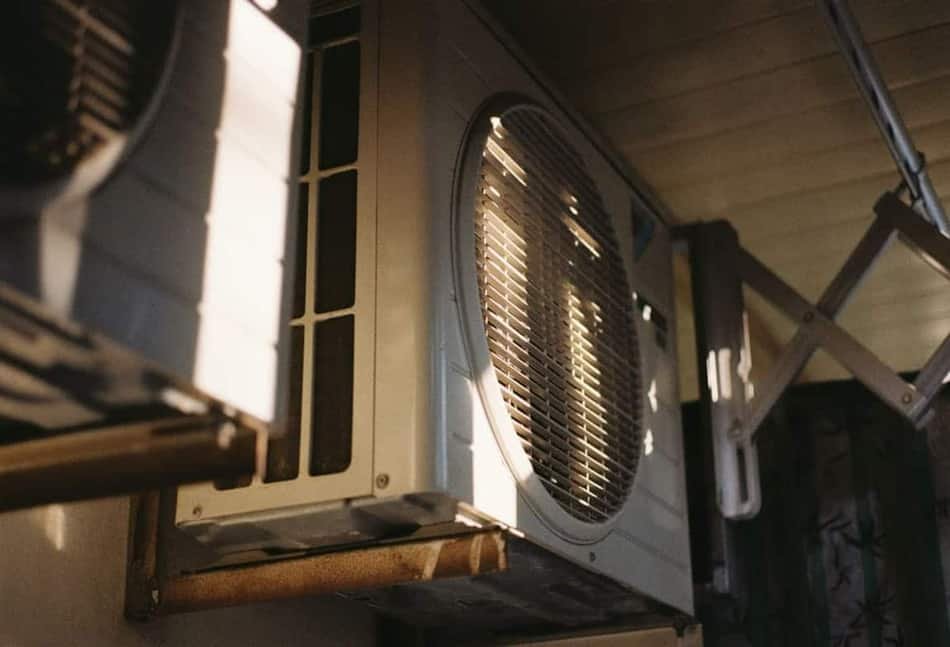
Four causes account for most of it. A failed run capacitor is the single most common: the fan may spin but the compressor cannot start, or you hear a hum and then nothing. It is an inexpensive part and a quick fix.
A dirty condenser coil means the system cannot reject heat outside, so it runs continuously and cools poorly. In this valley, agricultural dust and cottonwood seed clog coils faster than most places.
Low refrigerant means a leak, because refrigerant is not consumed. A frozen evaporator coil is usually restricted airflow from a clogged filter, and it presents as an AC that runs but delivers almost nothing.
Start with the filter. It is free to check and it causes a surprising share of no-cool calls, and our filter replacement service can keep it on a schedule so it stops being the cause.
An air conditioner is a refrigeration circuit, and almost everything that goes wrong falls into three categories: electrical, airflow or refrigerant.
Electrical faults are the most common and usually the cheapest. Capacitors degrade with heat and age, and Treasure Valley summers give them plenty of both. A failing capacitor shows up as a compressor that hums but will not start, a condenser fan that will not turn, or a system that trips its breaker. Contactors pit and burn over thousands of cycles.
Airflow problems cause more damage than people realise. When airflow across the indoor evaporator coil is restricted, the coil gets too cold and condensation on it freezes. Once it ices over, airflow stops almost entirely and the system delivers nothing while running flat out, which is when a proper look at the evaporator coil matters more than another filter change. Worse, liquid refrigerant can return to the compressor, which is how airflow problems turn into compressor failures. The usual culprits are a clogged filter, a dirty evaporator coil, closed vents, or a failing blower.
Refrigerant issues deserve plain language. A sealed system does not consume refrigerant. If it is low, there is a leak. Adding refrigerant without finding the leak is not a repair, it is a temporary measure that leaves you paying for the same thing again next summer, and running low on charge damages the compressor.
That is why we measure superheat and subcooling rather than judging by how cold the air feels. Those two readings tell you whether the charge is correct and whether the metering device is working.
Schedule service anywhere from Star to Mountain Home.
Call (614) 756-0643Two of these mean shut the system off rather than keep running it.
Ask for an upfront price before any work starts.
Call (614) 756-0643A repair fixes what broke. Maintenance is aimed squarely at the failures that have not happened yet.
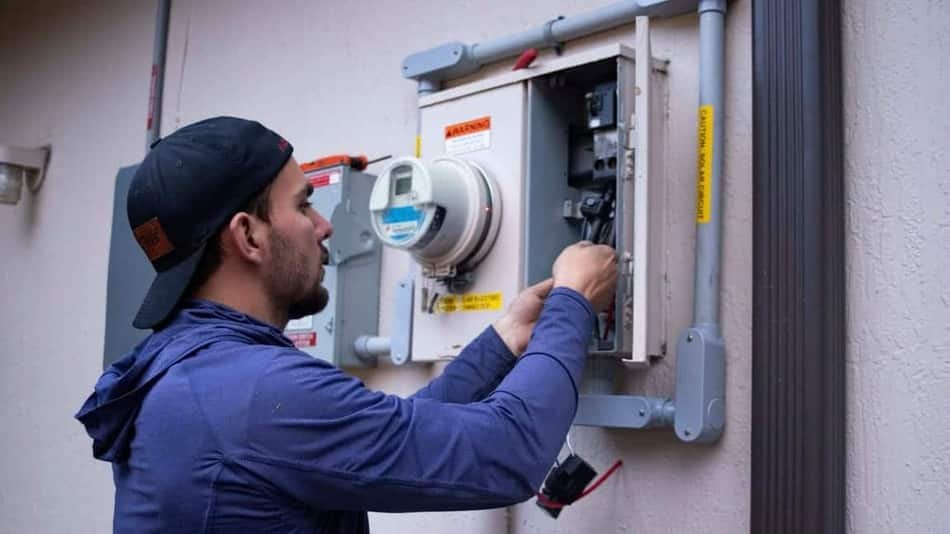
On a repair call we measure before we conclude. Electrical readings on the capacitor and contactor, refrigerant pressures converted to superheat and subcooling, temperature split across the indoor coil, and static pressure across the air handler. Those numbers distinguish between a charge problem, an airflow problem and a metering device problem, which all look similar from the outside and have entirely different repairs.
On annual maintenance, the highest value item in this valley is cleaning the condenser coil. A coil packed with dust, grass clippings and cottonwood seed cannot reject heat, and the effect on both efficiency and compressor life is significant. It is also the item most commonly skipped on cheap tune-ups because it takes real time.
Alongside that: checking and cleaning the evaporator coil, testing capacitors against their rated values rather than just confirming they work, checking contactor condition, clearing the condensate drain and testing the safety switch, verifying refrigerant charge, measuring temperature split and static pressure, and checking the electrical connections that heat cycling loosens over time.
Testing capacitors against their rating deserves a mention. A capacitor does not fail cleanly; it drifts out of tolerance first. A capacitor reading well below its rated value is still working but is straining the compressor every start, and it will fail during a heatwave. Catching that in spring is the difference between a scheduled part and an emergency call.
Same day and next day appointments are available across the valley.
Call (614) 756-0643A quick reference that will help you describe the problem accurately when you call.
| Symptom | Most likely cause | Urgency |
|---|---|---|
| Outdoor unit hums then stops | Failed run capacitor | Routine. Inexpensive part, quick repair |
| Runs constantly, cools weakly | Dirty condenser coil or low refrigerant charge | Soon. It is costing you money every hour it runs |
| Ice on lines or indoor coil | Airflow restriction, or low charge | Shut it off now. Running iced damages the compressor |
| Warm air, outdoor fan spinning | Compressor not running, or a charge problem | Prompt. Compressor faults get worse |
| Breaker trips repeatedly | Electrical fault, possibly compressor related | Stop resetting. This needs diagnosis before running again |
| Water around the indoor unit | Blocked condensate drain | Prompt, because of water damage risk rather than AC damage |
| Cools some rooms, not others | Duct design, airflow balance or a zoning issue | Routine, but often the hardest to resolve properly |
If your system is iced up, switch the cooling off and run the fan only. That thaws the coil without damaging anything, and it lets us actually diagnose the underlying cause when we arrive rather than working around a block of ice.
Book a licensed Meridian technician for this job.
Call (614) 756-0643No-cool calls are prioritised through the summer.
Not cooling, not running, iced up, tripping the breaker or leaking water. Each points somewhere different.
Genuinely. A clogged filter causes a meaningful share of no-cool calls and it costs nothing to rule out.
Electrical, refrigerant and airflow readings taken before any conclusion is drawn.
You hear what failed, why it failed, and what it costs before we proceed.
The fault fixed, then the system run and re-measured to confirm it is performing correctly.

Get this looked at before it turns into a bigger repair.
Call (614) 756-0643Treasure Valley winters routinely drop into the low twenties overnight in January, while July afternoons average near 92 degrees, so the same house has to survive hard freezes and high desert heat in the same year. July afternoons near 92 degrees means air conditioning here is not optional, and systems run long hours through July and August.
Two local factors shorten AC life here more than the temperature does.
Agricultural dust. This is a farmed valley, and field work, harvest and dry summer soil put a great deal of fine particulate into the air. That dust settles on condenser coils and loads up filters far faster than in a non-agricultural area. A condenser coil that would need cleaning every couple of years elsewhere needs it annually here, and the cost of not doing it is a compressor working against high head pressure all summer.
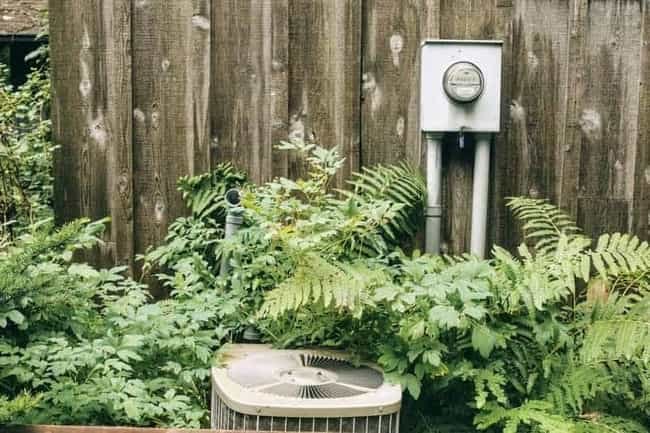
Cottonwood. Anyone who has spent a June in the Treasure Valley knows the cottonwood seed. It is exceptionally good at matting onto condenser coils and forming a blanket that blocks airflow entirely. Checking the outdoor unit after cottonwood season is genuinely worthwhile.
There is also the late summer smoke season. Regional wildfire smoke reaches this valley most years, and The Treasure Valley sits under temperature inversions through much of the winter, which traps carbon monoxide and fine particulates close to the ground. Smoke means fine particulate loading your filters much faster than usual, which is worth knowing because a filter that lasted three months in June may be restricting airflow badly by mid September.
Source: Idaho DEQ regional air quality
Request a visit and we will confirm your appointment window.
Call (614) 756-0643Diagnosis first, then a price you approve before the repair proceeds.
Talk to a technician who works on Treasure Valley homes every day.
Call (614) 756-0643A fixed calendar works better than waiting for a symptom, especially in a valley where the cooling season is long and hard on equipment.
Book the annual tune-up before the first hot week. Capacitor testing and coil cleaning are cheap now and expensive to skip.
Check the filter. A one inch filter loaded with agricultural dust can restrict airflow within weeks in July and August.
Look at the outdoor condenser. Cottonwood seed mats onto the coil and blocks airflow entirely if left.
Check the filter more often than usual. Smoke loads filters far faster than normal dust does.
Clear leaves and debris from around the outdoor unit before it sits idle over winter.
Have a licensed tech diagnose it and quote the repair up front.
Call (614) 756-0643Two things shorten AC life more than age alone: a dirty condenser coil forcing the compressor to work against high pressure all summer, and electrical components drifting out of tolerance unnoticed between services. Both are preventable with routine maintenance rather than replacement.
Efficiency also declines gradually rather than failing outright, which is why bills creeping up over a few summers is a real symptom worth acting on rather than dismissing as normal. A system running with a fouled coil or a marginal capacitor can use noticeably more electricity to deliver the same cooling, quietly, for years before anything actually breaks.
None of this means every aging system needs replacing. A well maintained air conditioner in this valley routinely reaches twelve to fifteen years, and sometimes longer, and the maintenance that gets it there is inexpensive compared with either an emergency repair or an early replacement.
Schedule service anywhere from Star to Mountain Home.
Call (614) 756-0643A few direct questions separate a measured diagnosis from a parts-swapping guess.
Ask for an upfront price before any work starts.
Call (614) 756-0643A handful of checks cost nothing and rule out the simplest causes before a service call.
Confirm the thermostat is actually set to cool and below the current room temperature, since a setting accidentally bumped to heat or off accounts for more no-cool calls than people expect. Check the breaker for the outdoor unit has not tripped. Look at the filter and replace it if you cannot see light through it. Walk outside and check nothing is blocking the outdoor condenser, since shrubs, fence panels or stored items crowding the unit restrict the airflow it depends on.
What not to do yourself: opening the refrigerant system, working inside the electrical panel of the unit, or repeatedly resetting a tripped breaker. Those steps need a licensed technician and the right equipment, and attempting them without EPA certification for refrigerant work is against the law as well as unsafe.
Same day and next day appointments are available across the valley.
Call (614) 756-0643The most common causes are a failed run capacitor, meaning the compressor is not actually running even though the fan spins, a condenser coil so dirty it cannot reject heat outside, a low refrigerant charge, or a frozen evaporator coil caused by restricted airflow. Start by checking your filter, because a clogged filter is free to rule out and causes a meaningful share of these calls. If you can see ice on the refrigerant lines, switch the cooling off and run the fan only to thaw it before anything else.
It depends entirely on what failed, and the range is wide. A capacitor is one of the least expensive repairs in the trade, while a compressor replacement is at the other extreme. Most repairs sit nearer the cheaper end. We diagnose first, tell you what failed and why, and give you the price before doing anything. If the unit is still under a parts warranty, that changes the arithmetic significantly and we will check.
Almost always restricted airflow across the indoor evaporator coil. When not enough warm air passes over the coil, it drops below freezing and the condensation on it turns to ice, which blocks airflow further until the system is delivering nothing at all. The usual causes are a clogged filter, a dirty evaporator coil, closed or blocked vents, or a failing blower. Low refrigerant charge can also cause it. Switch the cooling off and run the fan to thaw it, then change the filter, and if it recurs it needs proper diagnosis, because running an iced system can send liquid refrigerant back to the compressor.
Annually, ideally in spring before the cooling season. In this valley the condenser coil cleaning is the item that matters most, because agricultural dust and cottonwood seed clog coils far faster here than in most places, and a blocked coil makes the compressor work against high pressure all summer. Testing capacitors against their rated values is the other high value check, since a capacitor that has drifted out of tolerance is a cheap spring repair and an expensive July emergency.
You can, but it is not a repair. A sealed refrigeration system does not consume refrigerant during normal operation, so if the charge is low there is a leak somewhere. Adding refrigerant without locating the leak means paying for the same thing again, usually within a season, and running a system on low charge damages the compressor. We locate and repair leaks rather than topping up and moving on. If someone offers to just add refrigerant without looking for the leak, that tells you something about the work.
Stop resetting it and get it diagnosed. Repeated breaker trips indicate an electrical fault drawing more current than the circuit should carry, and possible causes include a failing compressor, a shorted capacitor or contactor, a wiring fault, or a system running under such high pressure from a blocked coil that the compressor is overloading. Continuing to reset a breaker on a faulty circuit is how a manageable repair becomes a much larger one, and in the worst case it is a fire risk.
Twelve to fifteen years is typical, sometimes longer with consistent maintenance. In this valley the biggest single factor within your control is keeping the condenser coil clean, because a compressor that spends every summer working against a dust-blocked coil is under continuous strain. Systems that get annual coil cleaning and have their capacitors checked routinely tend toward the upper end of that range.
Yes, and the value case is straightforward in this climate. The parts that cause July emergency calls, capacitors drifting out of tolerance and coils fouled with agricultural dust, are inexpensive to catch in spring and expensive to deal with mid-heatwave. An annual visit also tends to catch efficiency loss early, before a summer of higher bills has already gone by unnoticed.
A musty smell usually points to biological growth on a damp evaporator coil or a blocked condensate drain holding standing water. A burning smell is more serious and can indicate an electrical fault at the capacitor, contactor or motor, and the system should be shut off until it is inspected. Either way it is worth having checked rather than ignored, since both causes tend to get worse with continued running.
You can, but it works harder and cools less well the longer it goes uncleaned. A dust-caked condenser coil cannot reject heat effectively, so the compressor runs against higher pressure than it should, which shortens its life and raises your electricity bill for the same result. It will not usually cause immediate failure, but it is one of the more preventable causes of a shortened AC lifespan in this valley.
Repair addresses something that has already failed, a dead capacitor, a refrigerant leak, a frozen coil. Maintenance is aimed at the failures that have not happened yet, testing components against their rated values, cleaning the condenser coil before it restricts airflow, and catching drift before it becomes a breakdown. Both use the same measurements, but maintenance is scheduled on your terms and repair usually is not.
Ask for an upfront price before any work starts.
Call (614) 756-0643No cool calls are prioritised through the summer across Meridian, Boise, Nampa and the surrounding valley. If it is iced up, switch cooling off and run the fan while you wait.