Breaker panels and upgrades
Transfer switches connect at the panel, and the load calculation starts there.
Learn moreA generator is only as safe as the transfer switch connecting it. Backfeeding a house through an extension cord kills utility workers, and it is entirely avoidable.
Yes, and this is a safety matter rather than a formality. A transfer switch physically prevents your generator from feeding power back into the utility lines.
Without one, backfeeding puts power onto lines that utility crews are working on believing they are dead. It has killed line workers. It can also destroy your generator and start a fire when utility power returns while your generator is still connected.
The dangerous practice is a double-ended cord run from a generator into a wall outlet, sometimes called a suicide cord, which is exactly as bad as it sounds. The legitimate options are a manual transfer switch, an interlock kit at the panel, or on a standby unit an automatic transfer switch.
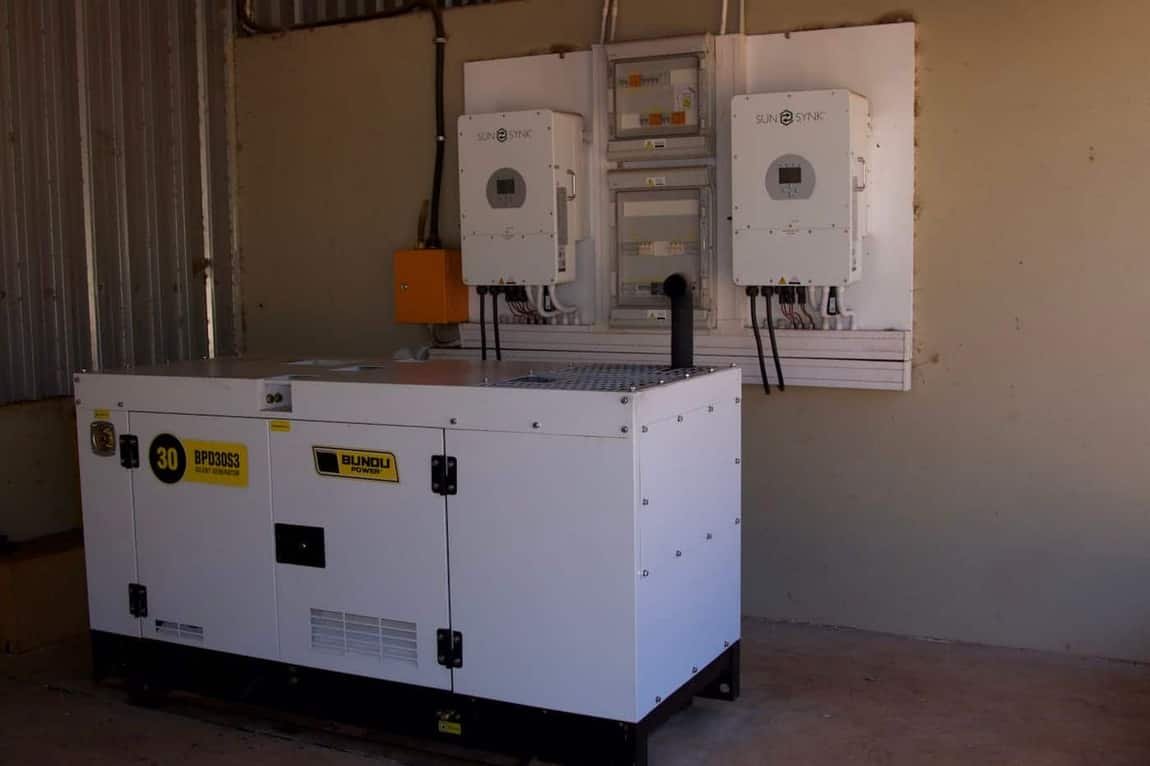
Portable generators are wheeled units you start manually and refuel yourself. They are inexpensive and flexible, and connected properly through an interlock kit or a manual transfer switch they can power selected circuits, typically the furnace, refrigerator, a few lights and outlets. The limitations are real: you have to be home to start it, you have to keep fuel on hand and refuel through the outage, and they must run outdoors, well away from the building.
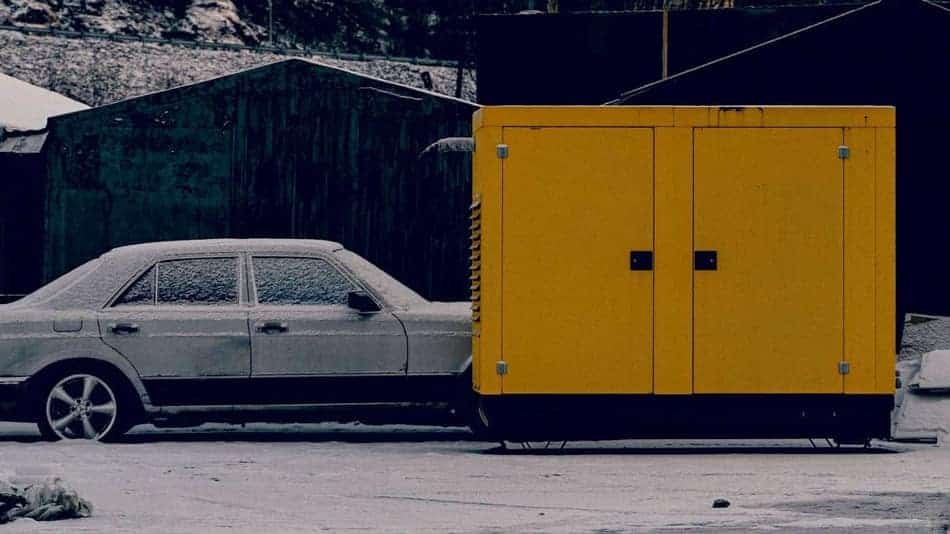
Standby generators are permanently installed outside on a pad, connected to natural gas or propane, and wired through an automatic transfer switch. When utility power fails the unit starts by itself within seconds, the transfer switch disconnects the utility and connects the generator, and it runs until power returns. You do not have to be home, there is no refuelling, and depending on size it can carry the whole house or a prioritised set of circuits.
There is one carbon monoxide point that cannot be overstated. Portable generators must never be run in a garage, a shed, a crawl space or a covered porch, and running one with the garage door open is not sufficient. Generators produce carbon monoxide in very large quantities, and it kills people every year during outages. A standby generator is permanently sited outdoors, which removes this risk entirely and is one of the stronger arguments for one.
Have a licensed tech diagnose it and quote the repair up front.
Call (614) 756-0643Backup power is a considered purchase rather than an emergency one. These are the situations where it genuinely pays.
Schedule service anywhere from Star to Mountain Home.
Call (614) 756-0643A standby generator installation is both a gas job and an electrical job, which is why doing both under one roof matters.
Sizing. Whole-house or essential circuits, based on what you actually need running and what the generator can start. Motor loads matter here: an air conditioner or a well pump draws a large surge on startup, well above its running load, and a generator sized only on running watts will stall when the well pump kicks in.
Fuel supply. A natural gas standby generator is a substantial gas load and has to be included in a whole-house gas calculation, since it may exceed everything else in the house combined. Frequently the gas line needs upsizing, and often a dedicated run. That is gas line work, and having it handled by the same team that is doing the electrical avoids the coordination problems that come with splitting the job.
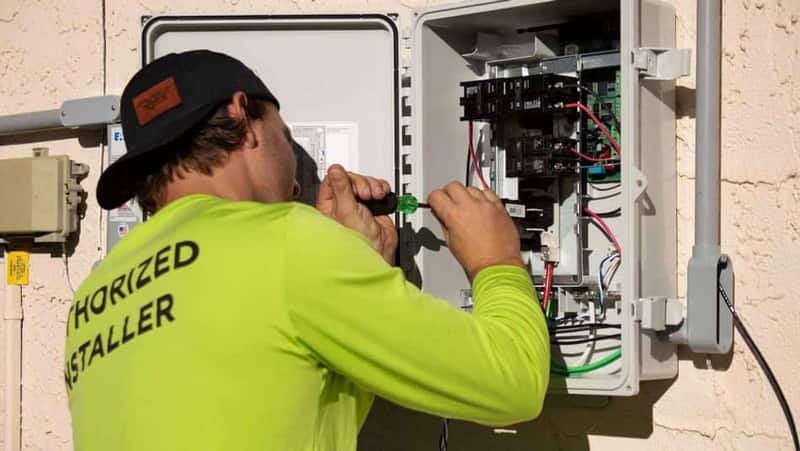
Transfer switch. Automatic for standby units, and for portables either a manual transfer switch or a panel interlock kit. The interlock is a mechanical plate that makes it physically impossible to have the main breaker and the generator breaker on simultaneously, which is what enforces the safety.
Siting. Clearances from windows, doors and vents matter for exhaust, and there are separation requirements from the gas meter and from combustibles. In this climate the pad also has to account for snow.
Permits and inspection. Both the gas and electrical work are permitted and inspected.
Maintenance. A standby generator that never runs is not backup power. They exercise themselves weekly, and they need periodic oil and filter changes and battery replacement, because the most common reason a standby unit fails to start in an outage is a dead starting battery.
Ask for an upfront price before any work starts.
Call (614) 756-0643Both are legitimate. The right one depends on how long your outages last and whether you are home for them.
| Portable generator | Standby generator | |
|---|---|---|
| Starting | Manual. You have to be home and go outside to start it | Automatic within seconds of the outage, whether or not anyone is home |
| Fuel | Petrol or propane you store and refill through the outage | Natural gas or propane, connected permanently, no refuelling |
| Capacity | Selected essential circuits | Selected circuits or the whole house, depending on sizing |
| Carbon monoxide risk | Real. Must be run well away from the building, never in a garage | None from operation, since it is permanently sited outdoors |
| Cost | Considerably lower, plus the transfer switch or interlock | Higher, including gas work, transfer switch and pad |
| Connection | Interlock kit or manual transfer switch. Never a cord into an outlet | Automatic transfer switch, permanently wired |
| Best for | Occasional short outages where you are home | Medical needs, well pumps, frequent or long outages, working from home |
Whichever you choose, the connection method is not optional. An interlock kit is an inexpensive addition to a portable generator setup and it is what makes the difference between a safe installation and a genuinely lethal one.
Same day and next day appointments are available across the valley.
Call (614) 756-0643Standby installations are planned projects involving both gas and electrical permits.
Whole house or essentials, and specifically whether there is a well pump, sump pump or medical equipment involved.
Where the unit can sit with proper clearances, the gas supply capacity, and the electrical load including motor starting surges.
Generator, pad, gas supply, transfer switch and electrical, priced as one project.
Gas and electrical permits pulled, pad set, unit installed, gas run and pressure tested, transfer switch wired.
A live transfer test with the utility supply cut, so you see it actually work, plus a walkthrough of maintenance.
Book a licensed Meridian technician for this job.
Call (614) 756-0643Idaho Power serves this valley and the grid is generally reliable, so backup power here is less about frequent outages than about the consequences of specific ones.
Winter storms bring wind and ice, and Treasure Valley winters routinely drop into the low twenties overnight in January, while July afternoons average near 92 degrees, so the same house has to survive hard freezes and high desert heat in the same year. An extended outage on a night in the low twenties is not merely uncomfortable. A house without heat for long enough is a genuine burst pipe risk, particularly for plumbing in crawl spaces and unheated garages, which is where valley homes are most vulnerable.
Rural properties on private wells are the strongest case in this area. Kuna is among the fastest growing communities in Idaho, adding roughly 14 percent to its population in a single year and nearly tripling between 2000 and 2010. A great many properties around Kuna, Star, Middleton and the rural fringe of Canyon county rely on private wells, and a well pump is electric. When power goes out on those properties there is no water at all, which changes an outage from an inconvenience into something more serious quite quickly.
Wildfire season is worth noting, since utilities across the western states increasingly manage fire risk through proactive de-energisation under extreme conditions.
One local practical point: standby generators run on natural gas where it is available, which across most of the valley it is, through Intermountain Gas. On rural properties outside the gas service area, propane is the usual alternative and requires a tank sized for meaningful runtime.
Source: Idaho Press growth report

Get this looked at before it turns into a bigger repair.
Call (614) 756-0643A standby installation is a project with several components. Quoted in writing after the site assessment.
Request a visit and we will confirm your appointment window.
Call (614) 756-0643Most valley installations run on natural gas, but the right fuel depends on what is available at the property.
| Fuel | Supply | Best fit |
|---|---|---|
| Natural gas | Piped continuously from the utility, no on-site storage or refuelling | Any property inside Intermountain Gas service territory, which covers most of the valley |
| Propane | Stored on-site in a tank sized for expected runtime | Rural properties outside the gas service area |
| Diesel | Stored on-site, common on larger commercial standby units | Larger installations rather than typical residential generators |
A natural gas connection means genuinely unlimited runtime as long as the utility gas supply itself is intact, which is the practical advantage over any tank-based fuel.
Talk to a technician who works on Treasure Valley homes every day.
Call (614) 756-0643Because a standby generator is genuinely two trades in one project. Idaho enforces the Uniform Plumbing Code rather than the International Plumbing Code, and the electrical side runs on the National Electrical Code, both administered through the Idaho Division of Occupational and Professional Licenses. The gas supply has to be sized and run correctly under that code, and the electrical connection, including the transfer switch, falls under the National Electrical Code. Using one contractor licensed and equipped for both avoids the coordination gaps that appear when two separate companies each assume the other is handling a detail.
Ask specifically who is pulling which permit, since both the gas work and the electrical work are permitted separately even when done by the same contractor. Ask to see the commissioning step included in the quote, meaning an actual live transfer test rather than just confirming the unit powers on. A generator that has never been tested under a real transfer is an unknown quantity exactly when you need it least.
Have a licensed tech diagnose it and quote the repair up front.
Call (614) 756-0643The Treasure Valley sits under temperature inversions through much of the winter, which traps carbon monoxide and fine particulates close to the ground. That matters for generator siting in two ways. First, it reinforces why portable generator exhaust should never be anywhere near an intake, window or vent, since stagnant winter air holds pollutants close to the ground longer than it would in a well-mixed atmosphere. Second, during wildfire smoke season, some homeowners run air filtration or air conditioning more heavily to keep indoor air cleaner, which raises the electrical load a generator needs to carry during an outage that coincides with smoke events.
None of this changes the core rule: a portable unit runs outdoors, well clear of the building, full stop, in every season and every air quality condition.
Schedule service anywhere from Star to Mountain Home.
Call (614) 756-0643Yes, and it is a genuine safety requirement rather than a formality. A transfer switch or a panel interlock physically prevents your generator from feeding power back into the utility lines. Backfeeding energises lines that utility crews may be working on believing they are dead, and it has killed line workers. It can also destroy your generator and start a fire when utility power returns. Running a double-ended cord from a generator into a wall outlet, sometimes called a suicide cord, is the practice this prevents, and the name is accurate.
It depends on the generator capacity, how much gas work is involved, the type of transfer switch, and how far the unit sits from both the electrical panel and the gas meter. The gas supply is often the largest variable, because a standby generator can be a bigger gas load than everything else in the house combined and frequently needs an upsized or dedicated run. We quote the whole project, both the gas and electrical sides, after a site assessment.
It depends on whether you want the whole house or a set of essential circuits, and critically on the motor loads involved. Motors draw a large surge when starting, well above their running consumption, so a well pump or an air conditioner can stall a generator that was sized on running watts alone. We work through what you actually need running during an outage, then size for both the running load and the starting surge.
No, and this is one of the most dangerous misconceptions about generators. They produce carbon monoxide in very large quantities, and a garage is not adequately ventilated even with the door open. People are killed this way every year during outages. Portable generators must be run outdoors, well away from the building, with the exhaust directed away from doors, windows and vents. A permanently installed standby generator sits outside by design and removes this risk entirely, which is one of the better arguments for one.
Standby generators exercise themselves automatically on a weekly schedule, which keeps the engine in condition, but they still need periodic service: oil and filter changes on an hours or annual basis, air filter and spark plug attention, and battery replacement. The battery matters more than people expect, because a dead starting battery is the most common reason a standby unit fails to start when it is finally needed. An annual service visit is the sensible interval.
It can, provided it is sized for the starting surge rather than just the running load. Air conditioner compressors draw substantially more current at startup than while running, and that surge is what determines whether a generator can carry them. Some installations use a soft start device on the air conditioner to reduce that surge, which can allow a smaller generator to handle it. This is exactly the kind of thing we work through during sizing, rather than discovering it during an outage.
Yes, and it is one of the better value electrical jobs available. Installing an interlock kit at your panel, or a manual transfer switch, gives you a code-compliant, safe way to connect a portable generator to selected circuits. The interlock is a mechanical plate that makes it physically impossible to have the main breaker and the generator breaker on at the same time, which is what prevents backfeeding. It is a modest cost and a short visit, and it eliminates the most dangerous part of portable generator use.
If the property is inside the natural gas service area, which covers most of the Treasure Valley through Intermountain Gas, natural gas is generally the simpler and more practical choice, since it runs continuously with no on-site fuel to manage and no risk of running out mid-outage. Propane is the standard alternative for rural properties outside that service area, and it requires a tank sized for the runtime you expect to need, since supply is finite rather than continuous.
A natural gas standby generator can run for as long as the gas supply itself remains intact, which in practice means it is limited mainly by scheduled maintenance and the manufacturer’s duty cycle recommendations rather than by fuel availability. A propane unit is limited by tank size, so runtime during an extended outage depends on how large a tank was installed and how much load is running.
It depends on what an outage would cost you, not how often one happens. For a property with a well pump, medical equipment, or a business dependent on power, even a rare outage carries a real cost, which is a different calculation from simple inconvenience. For a typical home in town with municipal water and no medical dependency, a portable generator with a proper interlock is often a more proportionate answer.
It can be a meaningful selling point, particularly for buyers concerned about winter outages or considering a property with a well. It is not something we can quantify precisely, since it depends on the buyer and the market at the time, but it is a tangible, permanently installed system that a home inspector will note, unlike a portable unit stored in a garage.
Yes, provided the generator is sized to handle the starting surge of the compressor along with the rest of the load you want running. This is worked out during sizing rather than assumed, since a furnace blower motor and an air conditioner compressor both draw noticeably more current on startup than while running, and undersizing for that surge is the most common reason a generator stalls when the HVAC system cycles on.
A manual transfer switch requires someone to physically flip it over from utility to generator power, which is paired with portable generators that also have to be started by hand. An automatic transfer switch, used with standby generators, senses the outage, starts the generator and switches over on its own within seconds, with nobody needing to be present. That difference is exactly what makes a standby system suitable for an empty house or an overnight outage nobody wakes up for.
Schedule service anywhere from Star to Mountain Home.
Call (614) 756-0643We handle the gas supply and the electrical connection together, so nothing falls between two trades. Serving Meridian, Eagle, Star, Kuna and the wider valley.